
How Smart Insert Design Keeps Cosmetics Secure During Shipping
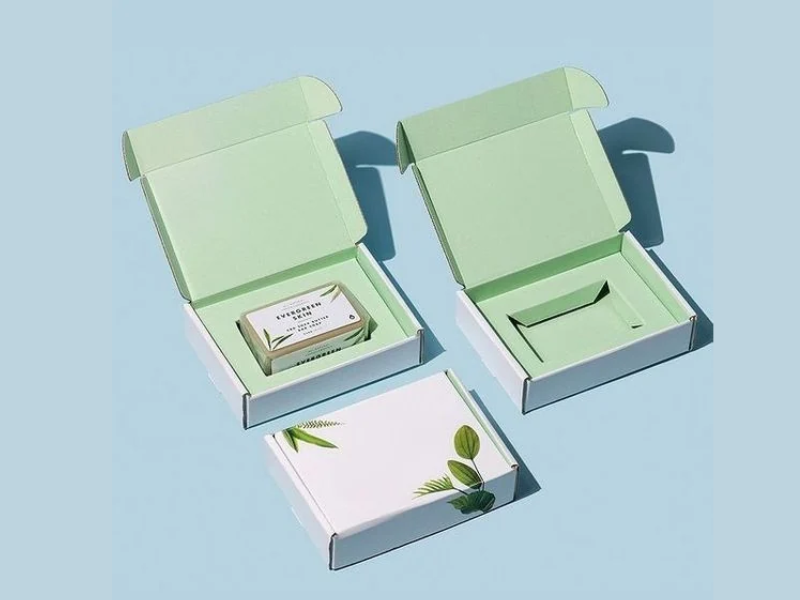
Cosmetics are among the trickiest products to ship. Glass foundation bottles crack, pressed powders crumble, lipsticks smear, and droppers leak. A single broken product can mean a refund, a replacement, and a lost customer. Yet most of these problems can be avoided with one thing: a well-designed insert.
Inserts are the hidden hero of cosmetic packaging. They sit inside the box, out of sight, and quietly absorb the bumps, drops, and vibrations of the shipping journey. Here is how smart insert design protects your products, which materials work best, and what to consider when planning your packaging.
Why Cosmetics Need Special Protection
Beauty products combine fragility with high expectations. Customers pay for the product and the experience, so a damaged item is disappointing in both ways.
Common shipping risks include:
- Breakage. Glass bottles, jars, and compacts can crack or shatter on impact.
- Leaks and spills. Liquids, serums, and creams can escape if a cap loosens or a container is squeezed.
- Crushing. Pressed powders, eyeshadow pans, and blush can crumble under pressure.
- Scuffing. Printed labels, metallic finishes, and glossy tubes scratch easily.
- Shifting. Products that slide inside a box hit the walls and each other.
- Temperature swings. Heat can soften creams, melt lipsticks, and separate formulas.
A good insert addresses most of these at once.
What Makes an Insert “Smart”?
A smart insert does more than fill empty space. It is designed around the specific product, and it follows a few principles.
Precision fit. The insert holds the product firmly in a cavity shaped to its exact dimensions. No wiggle room means no momentum during a drop.
Shock absorption. The material compresses slightly on impact, spreading force across a wider area instead of concentrating it on a bottle’s neck or base.
Separation. Each item sits in its own compartment so products can’t collide.
Weight distribution. Heavier items sit low and centered, while lighter items sit above or beside them.
Easy access. Customers should be able to lift products out without tearing the insert or struggling.
Brand presentation. The insert frames the product attractively, adding to the unboxing moment.
Common Insert Materials for Cosmetics
Molded pulp. Offers high protection with a natural, textured look. It is recyclable and works well for bottles, jars, and sets.
Corrugated cardboard. Provides medium-to-high protection in a simple, sturdy form. It is recyclable and suits multi-product shipments.
Die-cut paperboard. Gives a clean, premium look with medium-to-high protection. It is recyclable and ideal for lipsticks and other small items.
EVA or PE foam. Delivers very high protection with a smooth, polished finish. It is rarely recyclable, so it is best reserved for luxury or especially fragile products.
Honeycomb paper. Offers medium protection in a light, rustic style. It is recyclable and works well for wrapping individual items.
Paper void fill. Provides low-to-medium protection and is best used only to fill gaps around a structured insert.
Paper-based inserts are growing in popularity because they protect well and support the sustainability goals many beauty shoppers care about. Foam still has a place for very delicate or high-value items, but it is harder to recycle.
Designing Inserts for Different Cosmetic Products
Glass Bottles and Droppers
Use cradle-style inserts with deep cavities that support both the base and the shoulder of the bottle. Dropper bottles benefit from an insert that keeps them upright to reduce leaks.
Lipsticks and Lip Glosses
Slim items need individual slots that prevent rolling. A die-cut insert with snug openings keeps tubes upright and protects delicate caps and finishes.
Pressed Powders and Palettes
Compacts and palettes need flat, firm support and a bit of cushioning on top to prevent cracking. Avoid pressure on the lid, since a dent can crack the pan inside.
Creams and Jars
Jars need side support to prevent lids from loosening or shifting. A recessed cavity keeps them centered and stable.
Gift Sets and Multi-Piece Kits
Layered or tiered inserts let several products share one box while staying separated. Plan the layout so heavier items sit at the bottom and nothing presses on anything fragile.
Steps to Design an Effective Insert
- Measure every product precisely, including caps, pumps, and any protruding parts.
- Decide on box style and size, then design the insert to fill the interior snugly.
- Choose a material based on product weight, fragility, and sustainability goals.
- Create a prototype using a die-line or sample cut.
- Test with real products, including drop tests, shake tests, and compression tests.
- Refine the design based on results, adjusting cavity depth, wall thickness, or material.
- Approve and order only after the sample passes your testing.
Empty Cosmetic Packaging: Why It Matters
If you’re a new brand or a private-label seller, you may start by sourcing empty cosmetic packaging, meaning the boxes, bottles, jars, tubes, and inserts that will hold your formulas. Buying empty packaging gives you control over how your products look, feel, and travel.
When shopping for empty cosmetic packaging, keep these points in mind:
- Match containers to your formula. Thin serums, thick creams, and powders each need different closures and materials.
- Confirm compatibility. Some plastics react with certain ingredients, so check that your packaging suits your formula.
- Buy matching inserts and boxes together so everything fits as intended.
- Order samples first to check quality, fit, and finish before committing to volume.
- Check minimum order quantities and delivered costs, including freight.
- Look for recycled and recyclable options to appeal to eco-conscious customers.
- Verify regulatory needs. Cosmetics sold in the U.S. must meet FDA labeling requirements, so plan space on the packaging for ingredient lists and required information.
Choosing quality packaging from the start prevents costly redesigns and returns later.
Common Insert Mistakes to Avoid
Oversized cavities. If a product can move, the insert isn’t doing its job.
Ignoring caps and pumps. These protruding parts are often the first to break or leak.
Too much pressure. Inserts that are too tight can crack compacts or squeeze tubes.
Skipping testing. An insert that looks perfect on paper can fail in a real drop test.
Overlooking weight. Heavy inserts can raise shipping costs without adding real protection.
Forgetting the outer carton. The insert works best inside a strong outer shipping box with proper cushioning on all sides.
Pair Inserts With Good Shipping Practices
Inserts work best as part of a full system:
- Use a sturdy shipping carton sized to fit the product box.
- Add cushioning around the product box inside the carton.
- Seal leak-prone items in small bags as a backup.
- Protect products from extreme heat, especially in summer.
- Label packages clearly and use reliable shipping services.
Final Thoughts
Smart insert design is one of the most effective ways to keep cosmetics secure during shipping. A precise fit, the right material, and thoughtful separation protect fragile formulas and containers from the bumps of transit, while also making your unboxing experience feel polished and intentional. Whether you are sourcing empty cosmetic packaging for a new line or upgrading an existing brand, invest time in testing and refining your inserts. The small cost of a well-made insert is far lower than the cost of a damaged order, and your customers will notice the difference.