
How Does an L Bar Heat Sealer Improve Packaging Efficiency?
Packaging efficiency depends on more than how quickly products move through a production line. Consistent seals, suitable film selection, reliable equipment, and minimal material waste all contribute to the overall performance of a packaging operation. For businesses handling retail products, printed materials, consumer goods, or e-commerce orders, shrink wrapping offers a practical method of preparing items for storage and distribution.
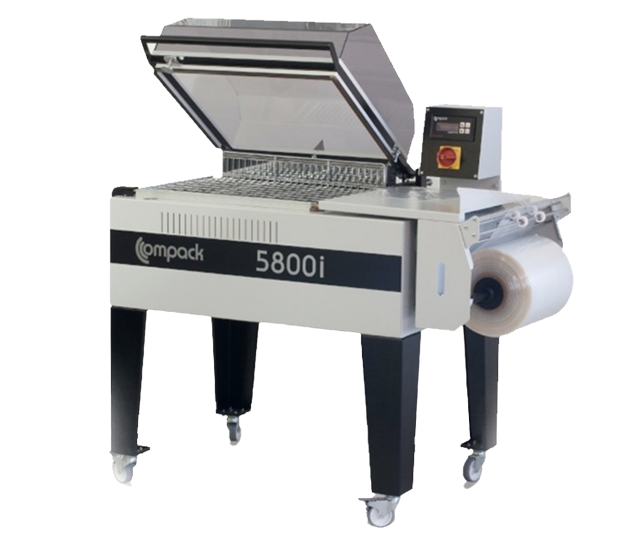
An L bar heat sealer is commonly used to seal shrink film around products before they enter a shrink tunnel. Its distinctive sealing configuration allows operators to create two connected seals during a single cycle, making it suitable for many individual-product packaging applications. Understanding how this equipment works can help businesses choose appropriate machinery and improve their packaging processes.
What Is an L Bar Heat Sealer?
An L bar heat sealer is a packaging machine that uses an L-shaped sealing mechanism to close shrink film around a product.
The sealing bar typically forms seals along two adjoining sides of the package. When used with center-folded shrink film, this arrangement allows the machine to create a sealed package while separating it from the remaining film.
After sealing, the product usually passes through a shrink tunnel, where controlled heat causes the film to contract around its contents.
L-bar sealing equipment is available in manual, semi-automatic, and automatic configurations.
The appropriate model depends on production volume, product dimensions, available workspace, and the level of operator involvement required.
How Does an L Bar Heat Sealer Work?
The sealing process involves several coordinated steps.
1. Product Placement
The operator or automated feeding system positions the product inside center-folded shrink film.
Proper positioning is important because uneven placement can affect the final package appearance.
2. Film Alignment
The film is arranged so that the open edges fall within the machine’s sealing area.
The amount of excess film should be appropriate for the product dimensions and expected shrinkage.
3. Heat Sealing
The L-shaped sealing mechanism closes and applies controlled heat to create the required seals.
Depending on the machine design, the sealing system may also cut the film to separate the completed package.
4. Product Transfer
The sealed product moves toward the shrink tunnel, either manually or through a conveyor.
5. Heat Shrinking
The shrink tunnel applies controlled heat, causing the film to contract around the product.
The final package is then cooled and inspected for sealing quality, wrinkles, and film damage.
The effectiveness of this process depends on appropriate temperature settings, sealing pressure, film compatibility, and product positioning.
What Are the Main Benefits of Using an L Bar Heat Sealer?
An L bar heat sealer can provide several advantages when matched to the appropriate packaging application.
Consistent Sealing Results
A properly maintained sealing system helps create repeatable seals across similar product dimensions.
Consistent sealing can reduce the number of packages requiring rework.
Reduced Manual Packaging Steps
Semi-automatic and automatic systems can reduce the amount of manual handling required during sealing.
However, the level of automation varies considerably between machines.
Flexible Product Applications
L-bar sealers can accommodate different product categories, provided their dimensions and characteristics fall within the machine’s specifications.
Improved Packaging Presentation
When combined with suitable shrink film and correctly configured heating equipment, L-bar sealing can help create neatly fitted packages.
Better Workflow Coordination
Compatible conveyors and shrink tunnels can help maintain steady product movement between packaging stages.
These benefits depend on machine setup, operator training, and overall production line design.
Which Products Are Suitable for L-Bar Sealing?
L-bar sealers are commonly used for products that can be enclosed within center-folded shrink film.
Typical applications include:
- Books, magazines, and printed materials.
- Cosmetics and personal care products.
- Stationery and office supplies.
- Small electronics and accessories.
- Household goods and retail merchandise.
- Boxed consumer products.
- Promotional kits and gift items.
Product shape is an important consideration.
Extremely irregular products, sharp edges, or items sensitive to heat may require special handling or alternative packaging methods.
Manufacturers should evaluate both the sealing process and the subsequent shrinking stage before selecting equipment.
Manual vs. Semi-Automatic vs. Automatic L-Bar Sealers
Different operating configurations serve different production requirements.
| Feature | Manual L-Bar Sealer | Semi-Automatic L-Bar Sealer | Automatic L-Bar Sealer |
| Product handling | Primarily operator-controlled | Combination of operator and machine actions | More automated feeding and transfer |
| Typical production volume | Lower | Moderate | Higher |
| Operator involvement | High | Moderate | Lower during routine operation |
| Initial investment | Generally lower | Moderate | Generally higher |
| System integration | Usually simpler | Varies by model | Often more extensive |
These comparisons are general. Actual performance depends on the equipment’s technical specifications, product characteristics, and operating conditions.
Businesses should assess sustainable production output rather than relying only on maximum advertised cycle speeds.
How Do You Choose the Right L Bar Heat Sealer?
Selecting an L bar heat sealer requires careful evaluation of several factors.
Sealing Area
The machine must accommodate the largest product dimensions, including the additional film needed to create the package.
Film Compatibility
Not every sealing system performs equally with every shrink film.
Check the manufacturer’s approved materials and thickness ranges.
Production Requirements
Estimate normal and peak packaging volumes to determine the required machine capacity.
Operator Safety
Review guarding, emergency-stop systems, operating procedures, and relevant safety features.
Maintenance Access
Sealing components and other serviceable parts should be accessible according to the manufacturer’s maintenance procedures.
Integration With Existing Equipment
If the machine will connect to a conveyor or shrink tunnel, verify compatibility in product transfer height, speed, and control requirements.
Choosing a machine based on these practical considerations can help prevent avoidable operational problems.
What Common Problems Affect L-Bar Sealing Quality?
Packaging defects can occur when operating settings, materials, or machine components are unsuitable.
Weak seals: May result from insufficient sealing heat, inadequate pressure, incorrect timing, or worn sealing components.
Burned film: Can occur when excessive heat is applied or the film remains in contact with the sealing element for too long.
Uneven seals: May indicate poor film alignment, contamination, or mechanical adjustment problems.
Excessive film waste: Often results from inappropriate film sizing or inefficient product positioning.
Wrinkled packages: May be caused by film selection, product placement, or incorrect shrink tunnel settings.
Operators should investigate the underlying cause before repeatedly changing machine parameters.
Any adjustments should follow manufacturer instructions and established safety procedures.
How Can Businesses Improve L-Bar Sealing Efficiency?
Improving performance involves more than increasing sealing speed.
Businesses should monitor packaging defects, film consumption, downtime, and actual output.
Consistent product positioning can help reduce sealing errors, while appropriate film sizing may minimize unnecessary material usage.
Routine inspection of sealing components is also important.
Operators should receive training in machine setup, safe operation, and basic troubleshooting within their authorized responsibilities.
For integrated systems, conveyor speeds should be coordinated with sealing and shrink tunnel capacity.
A balanced packaging line is generally more effective than one in which individual machines operate at incompatible speeds.
Why Does Film Selection Matter?
Shrink films differ in clarity, strength, sealing characteristics, and shrinking behaviour.
Polyolefin film is frequently used for retail packaging because it can provide good clarity and a neat finished appearance.
Polyethylene film is commonly used for heavier-duty packaging and certain bundling applications.
The appropriate choice depends on product weight, shape, presentation requirements, and equipment compatibility.
Film thickness also matters.
Using film that is unnecessarily thick may increase material consumption, while film that is too thin for the application may contribute to tearing or package failure.
Businesses should test materials under realistic production conditions before committing to large-scale use.
Conclusion
Effective shrink wrapping requires coordination between film selection, sealing equipment, product handling, and heat-shrinking systems. Businesses that understand these factors can make more informed machinery decisions, improve packaging consistency, and identify opportunities to reduce material waste. For applications using polyolefin film, a polyolefin shrink machine may form part of a packaging system designed to produce clear, closely fitted packages when paired with compatible sealing and heating equipment. Ultimately, choosing the right L bar heat sealer involves matching machine capabilities to product dimensions, production volume, and operational requirements. Proper setup, preventive maintenance, and regular quality checks can help support dependable packaging performance over time.