
Catering in Minneapolis: How to Plan Your Event Menu
Good food can carry an event, whether it is a wedding, a company lunch, or a backyard party. The challenge is choosing a menu that suits the crowd, the budget, and the setting. This guide explains how to plan catering in Minneapolis, from first inquiry to final headcount.
Start With the Event Type
Different occasions call for different formats. Corporate events usually need food that is easy to eat while people talk or work. Weddings and anniversaries lean toward polished presentation and customized menus. Casual gatherings can use shareable platters and relaxed service.
Defining the event first narrows choices quickly. Anyone researching catering in Minneapolis should have the date, expected guest count, and venue ready before requesting quotes.
Popular Menu Formats
Box Lunches
Individually packaged meals suit office meetings, seminars, and training days. Each guest gets a complete portion, which limits waste and keeps schedules on track. Boxes typically include a sandwich or salad, a side, and a snack or sweet.
Platters and Shared Boards
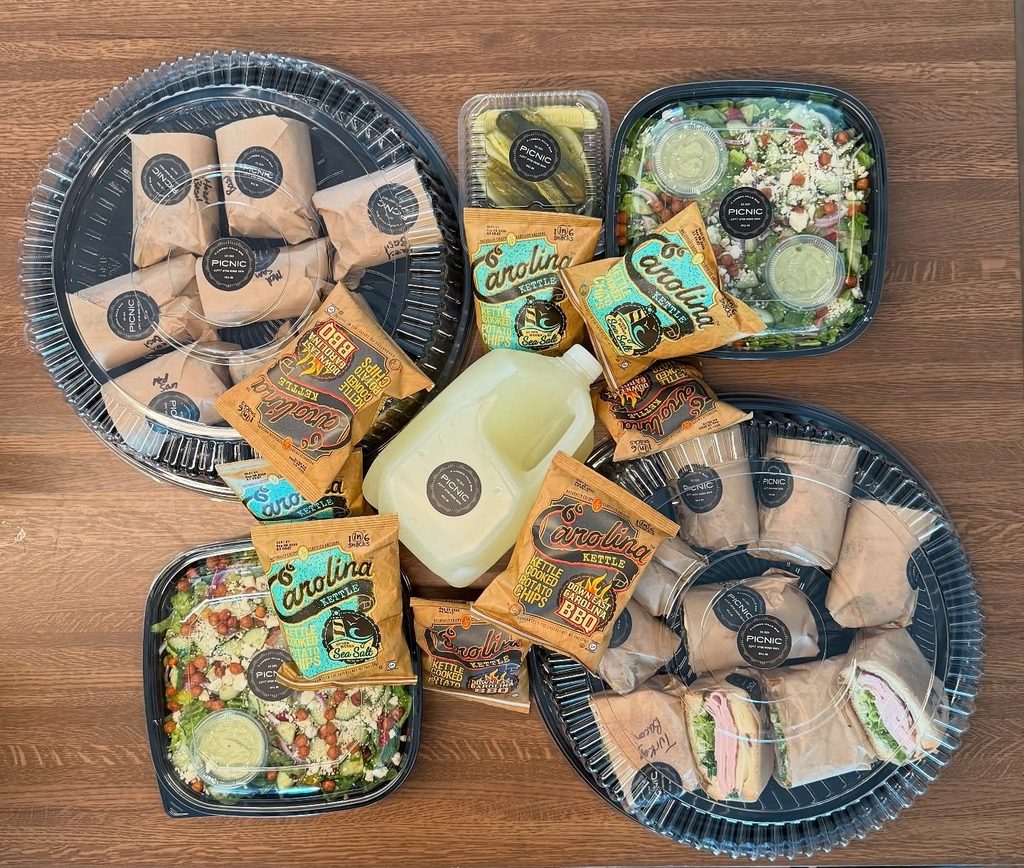
Sandwich platters, salads, and charcuterie boards work well for mixed groups. Shareable food encourages mingling and lets guests choose portions. Boards with cheeses, spreads, dips, and breads are also easy to tailor for different tastes.
Interactive Food Stations
Stations give guests something to watch and enjoy. A hot dog setup, a carving table, or a build-your-own bar adds entertainment to corporate celebrations. Staff-run stations require more space and service time, so confirm the venue can support them.
Planning the Drinks
Beverages deserve as much thought as food. Options include beer, wine, cocktails, and non-alcoholic choices such as sparkling drinks, iced tea, and spirit-free cocktails. A mobile bar can serve handcrafted drinks on site and give the event a distinctive feel.
Alcohol service has legal requirements in Minnesota, including licensing and age verification. Many providers can help with procurement and professional service. Confirming those details early is a smart step when arranging catering in Minneapolis that includes alcohol.
Dietary Needs and Allergies
Guests with allergies or dietary restrictions should never be an afterthought. Ask about vegetarian, vegan, gluten-free, and nut-free options during planning. Provide the caterer with a clear list of known needs, and request that dishes be labeled at the event.
Cross-contact is a real concern for severe allergies. Speak directly with the kitchen about how food is prepared and served. A careful caterer will answer these questions openly.
Timing and Booking
Popular dates fill early, particularly in summer and during wedding season. Many caterers recommend booking three to four weeks ahead for standard events, and earlier for weddings or large gatherings. Late requests are sometimes possible but offer fewer menu options. Starting early gives hosts more choices when arranging catering in Minneapolis for popular dates.
A tasting is worth requesting for large events. It allows hosts to check flavor, portion size, and presentation before committing. Allow time for adjustments afterward.
Budget Factors
Pricing usually depends on the menu package, guest count, service style, and event type. Staffing, rentals, and bar service add to the total. Request an itemized quote so each cost is visible and comparable between providers. Comparing proposals for catering in Minneapolis shows where the money actually goes.
Questions to Ask
A short list helps compare options:
- Is the menu customizable for dietary needs?
- Are tastings available?
- What staffing and setup are included?
- How is delivery or on-site service handled?
- What is the deadline for final headcount?
Honest answers reveal how organized and flexible a caterer is. They also prevent surprises on the day. Hosts who gather these details before signing usually find catering in Minneapolis far easier to manage.
Day-of Logistics
Share the venue address, load-in access, power needs, and event schedule in advance. Designate one contact person who can answer questions on site. Plan for waste removal, extra serving space, and weather backups for outdoor gatherings.
Finally, order slightly beyond the confirmed count if the budget allows. A modest buffer protects against late additions without creating heavy waste.
Conclusion
Smooth events come from clear planning, flexible menus, early booking, and open communication about diet and budget. Hosts who want a local Linden Hills restaurant offering sandwich platters, boxed lunches, custom wedding menus, and a mobile bar can reach out to Picnic Linden Hills for thoughtful, stress-free service. A confirmed menu and timeline let you enjoy the event itself.