
Horse Racing Today: How to Read Cards, Fixtures and Odds
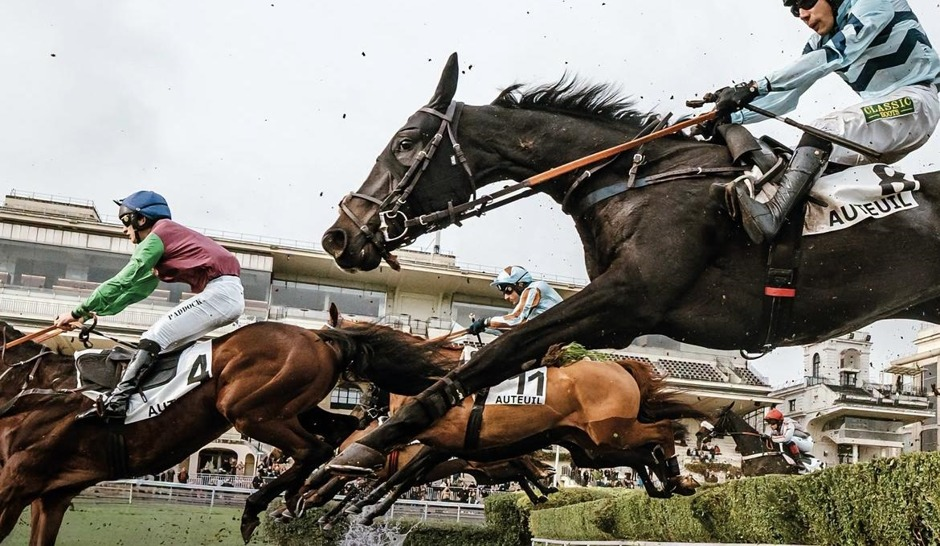
A race meeting packs a surprising amount of information into a few minutes of action, and most of it is printed well before the first runner reaches the gate.
Following horse racing today is easier once you know where that information sits and what each part means. Meetings run across several countries, with different surfaces, distances, and rules, so a few core skills help fans make sense of any programme. This guide explains how to read the day’s runners, how to use schedules, and how prices work.
Reading a Race Card
A horse race card lists every runner in a contest along with the details needed to compare them. Typical entries include the horse’s number, draw or stall position, jockey, trainer, weight carried, age, and recent form.
Form Figures
Form appears as a string of numbers and letters, with the right-hand character showing the most recent run. A “1” means a win, “5” means fifth place, and “0” means finishing outside the places. Reading from right to left gives a quick timeline of how a horse has performed lately, which matters when following horse racing today.
Five Details to Check First
Beginners can avoid information overload by focusing on five areas:
1.Recent form.
2.Official rating, which compares ability against rivals.
3.Weight carried.
4.Experience at the same course and distance.
5.Going, meaning the condition of the ground.
Using Race Schedules
Racing calendars show where and when meetings take place. Checking horse race fixtures helps fans plan viewing, understand which tracks are active, and see the level of each contest, from handicaps to Group 1 events.
Recent examples show how varied horse racing today can be across a single weekend. Mysore in India staged its Indian Turf Invitation Cup weekend on October 24 and 25, 2026, with Group 1 races over distances up to 2,400 metres. In England, Doncaster hosted an eight-race Flat card on October 24 headlined by the one-mile William Hill Futurity Trophy for two-year-olds.
Reading these programmes for horse racing today reveals race class, distance, prize money, and age limits. A sprint rewards early speed, while a 2,400-metre contest tests stamina and pacing. That context explains why a horse that suits one distance may struggle at another.
Understanding Prices
Many readers meet horse race odds as part of coverage and want to know what the numbers mean. Odds in horse racing today express how the market rates a runner’s chance of winning. Shorter prices suggest a more likely winner, while longer prices indicate a less fancied runner.
Fractional and Decimal Formats
Fractional odds show profit relative to stake. A price of 5/1 returns £5 profit on a £1 stake, or £6 in total including the stake. Decimal odds show total return, so the same price appears as 6.00.
Odds can also be converted into implied probability. For fractional odds, divide the right-hand number by the sum of both numbers. For 5/1, that is 1 divided by 6, or roughly 17 percent. For decimal odds, divide 100 by the price, which gives about 17 percent for 6.00 and 50 percent for 2.00.
“Odds-on” means the left number is smaller than the right, as in 4/5, so a winner returns less than the amount staked.
Analysis and Responsible Use
Commentators often publish horse race tips, but any selection is an opinion, not a guarantee. Racing has many variables, including ground, pace, draw, injuries, and luck in running. Treat advice as a starting point and compare it with your own reading of form.
Anyone who follows horse racing today and chooses to wager should set a firm budget in advance, never chase losses, and treat spending as the price of entertainment. Rules on betting differ by country and region, so check what is legal where you live. Those who find it difficult to stay within limits should seek support from a local helpline.
Conclusion
Racing becomes far more engaging when you can read form, interpret schedules, and understand how prices translate into probability. Following horse racing today with those skills turns a quick glance at a result into real appreciation of how a contest unfolded. Portals such as Racebuzz collect results, cards, and news in one place, which makes it easier to apply these steps consistently. Informed, measured interest keeps the sport enjoyable for everyone.