
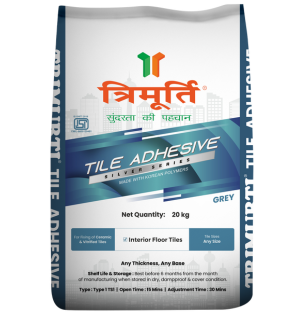
What Makes Tile Adhesive Suitable for Different Tile Surfaces
Choosing the right bonding material is essential for achieving a strong, durable, and neat tile installation. Different tiles vary in size, weight, porosity, texture, and surface characteristics, so one adhesive may not be equally suitable for every application. A tile adhesive chemical is formulated to create reliable adhesion between tiles and substrates while supporting suitable grip, flexibility, and workability.
Whether installing ceramic, vitrified, porcelain, glass, mosaic, or natural stone tiles, the adhesive should match the tile type and installation environment. Understanding these factors helps contractors and homeowners select suitable materials for dependable results across walls, floors, kitchens, bathrooms, and other tiled areas.
Why Tile Adhesive Needs to Match the Surface
No two tiling projects have exactly the same requirements. A ceramic tile installed on an indoor wall may require different bonding characteristics than a large vitrified tile installed on a busy floor. Similarly, outdoor surfaces experience sunlight, rain, temperature changes, and moisture, which can affect the tile and substrate.
A suitable adhesive helps create consistent contact between the tile and surface. It can reduce problems such as tile displacement, hollow sounds, cracks, and detachment when the correct product is selected and applied properly. The choice should therefore consider both the tile and the surface where it will be installed.
How Tile Type Influences Adhesive Selection
1. Ceramic Tiles
Ceramic tiles generally have comparatively higher water absorption than dense tile varieties. They are commonly used on interior walls and floors and can work effectively with suitable cement-based adhesives.
For ceramic installations, the adhesive should provide dependable bonding and good workability. Proper spreading also helps maintain consistent contact between the tile and substrate.
2. Vitrified Tiles
Vitrified tiles are dense and have low water absorption. Their smooth, less porous surface makes adhesive selection particularly important because conventional bonding methods may not provide the desired grip.
A polymer-modified adhesive with appropriate bonding strength and flexibility can be better suited to vitrified tiles. These characteristics help accommodate minor movement while maintaining a secure connection.
3. Porcelain Tiles
Porcelain tiles are also dense and highly resistant to water absorption. Because their surface does not readily absorb moisture, the adhesive needs strong adhesion rather than depending mainly on absorption.
For such applications, installers should select a product designed for low-absorption tiles and follow the manufacturer’s application recommendations. Proper coverage across the tile back is equally important for a reliable installation.
4. Natural Stone
Marble, granite, sandstone, and other natural stones can differ considerably in weight, porosity, and moisture sensitivity. Some stones also have light colours where an unsuitable adhesive can affect the appearance.
The adhesive should therefore be selected according to the stone type, installation location, and expected load. A suitable product can provide the necessary grip while supporting a clean and consistent finish.
5. Glass and Mosaic Tiles
Glass and mosaic tiles are often selected for decorative walls, backsplashes, bathrooms, and other visually important areas. Their appearance makes adhesive colour, consistency, and bonding performance important considerations.
A suitable adhesive should provide adequate grip without compromising the final appearance. Wet-area applications should also use solutions appropriate for moisture exposure.
What Surface Characteristics Should You Consider?
The tile itself is only one part of the equation. The substrate also influences adhesive selection.
Surface Porosity
Absorbent surfaces and dense surfaces behave differently during installation. A porous substrate can interact with the adhesive differently from a smooth, non-absorbent surface. Understanding the substrate helps determine the required bonding characteristics.
Surface Condition
Before application, the surface should be clean, stable, and free from dust, grease, loose particles, or other contaminants. An uneven or poorly prepared substrate can affect adhesive coverage and ultimately weaken the installation.
Existing Tile or Smooth Surfaces
Tile-on-tile installations and other smooth surfaces may require products with stronger adhesion characteristics. The installer should verify whether the selected adhesive is compatible with the existing substrate before beginning work.
Why Flexibility Matters for Different Tile Applications
Tiles and substrates can experience minor movement because of temperature changes, moisture, structural movement, or everyday loading. If an adhesive cannot accommodate these conditions, stress can develop at the bond line.
Flexible formulations can help manage limited movement and reduce the likelihood of bonding failure in suitable applications. This becomes especially relevant for exterior areas, large-format tiles, balconies, terraces, and surfaces exposed to changing temperatures.
How Moisture Affects Adhesive Selection
Bathrooms, kitchens, balconies, swimming-pool areas, and exterior surfaces can experience regular moisture exposure. Water can affect poorly selected installation materials and contribute to long-term problems.
For wet or moisture-prone locations, choose an adhesive designed for the environmental conditions of the project. Moisture resistance, strong adhesion, and appropriate application methods work together to support a more durable installation.
Tile Size and Weight Also Matter
Large-format tiles are heavier and often less porous than smaller tiles. Their dimensions can also make it more difficult to achieve complete and even adhesive coverage.
The adhesive should therefore be selected according to tile size and weight. Proper trowel selection, consistent spreading, and adequate coverage are important for reducing air pockets and supporting a stable installation.
For homeowners and contractors comparing products, the best adhesive for tiles in India should not simply be judged by brand recognition or price. It should be evaluated according to tile material, substrate, location, environmental exposure, size, weight, and installation requirements.
Final Thoughts
Tile adhesive becomes suitable for different tile surfaces when its bonding strength, flexibility, moisture resistance, workability, and application characteristics match the tile, substrate, and environment. Selecting the right tile adhesive chemical and following proper preparation and installation practices can help create strong, durable, and visually consistent tiled surfaces. Considering tile size, porosity, surface condition, location, and moisture exposure before purchase makes the selection process more practical and reliable.
With a wide range of construction materials and finishing solutions, Trimurti offers tile and stone fixing products, including Silver, Silver Plus, Gold, Gold Plus, and Diamond Tile Adhesives. Its range also covers grouts, tile cleaners, tile bonders, spacers, and notch trowels. Trimurti also provides wall putty products for smooth surface preparation, helping customers explore suitable materials, applications, specifications, and Trimurti wall putty price for residential and commercial projects.