
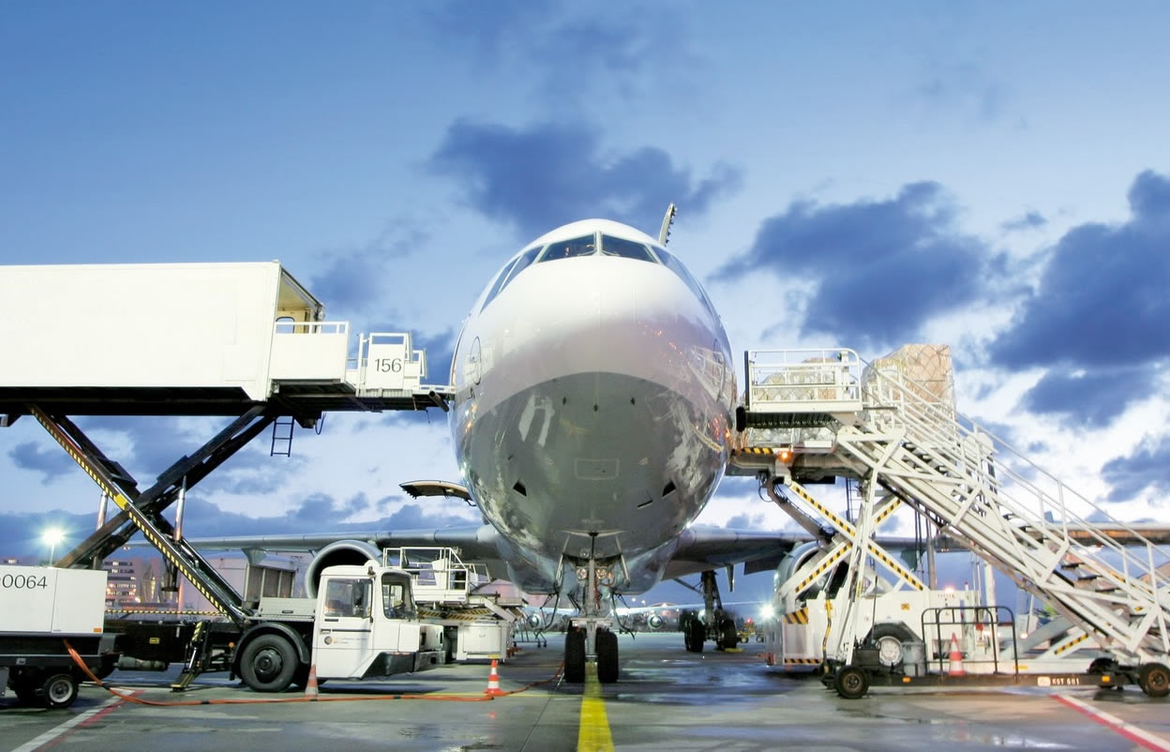
Understanding the Role of Air Cargo in Modern Supply Chains
As customers expect products to arrive quickly, businesses cannot afford transportation delays. From urgent components to high-value products, timely movement can directly influence operations, customer satisfaction and competitiveness. As global commerce becomes more connected, air cargo has emerged as an essential link between manufacturers, suppliers, distributors and consumers. It offers speed and flexibility that other transportation modes may not always provide, particularly for time-sensitive shipments crossing long distances.
Understanding the role of air cargo companies in India can help businesses make informed supply chain decisions. Reliable air freight also enables businesses to respond faster to changing market demands, maintain smoother inventory cycles, meet delivery commitments and strengthen relationships with customers across increasingly competitive domestic and global markets.
Why Air Cargo Matters
Speed is the most significant advantage of air freight. While sea and road transportation remain valuable for many types of shipments, air cargo can significantly reduce transit times. This makes it suitable for perishables, urgent consignments, pharmaceuticals, electronics, spare parts and other time-sensitive products.
Air freight also supports better inventory management. Faster transportation allows businesses to maintain leaner inventories and respond more efficiently to changes in demand. Instead of storing large quantities of products to protect against lengthy transit periods, companies can replenish stock more quickly when required.
Supporting Global Business
Modern supply chains often extend across several countries. A manufacturer may source materials from one region, assemble products in another and serve customers worldwide. Air cargo helps connect these stages by providing reliable international transportation. Beyond physical movement, effective air freight forwarding involves coordination, documentation, customs procedures and shipment tracking. Professional providers manage these requirements, reducing administrative burden and supporting smoother cargo movement.
Choosing the Right Logistics Partner
The effectiveness of air cargo depends not only on aircraft capacity but also on the quality of logistics coordination behind every shipment. Businesses should consider service coverage, handling capabilities, customs expertise, shipment visibility and solutions for specific cargo requirements.
A logistics partner with multiple transportation and warehousing capabilities can provide additional flexibility. When air freight is combined with road, rail, sea freight and storage solutions, businesses can develop more adaptable supply chains and select the most appropriate mode for each shipment.
Final Thoughts
Technology is continuing to transform the logistics sector. Digital tracking, improved shipment visibility, data-driven planning and streamlined documentation are helping businesses gain greater control over cargo movements. As e-commerce and international trade continue to expand, demand for fast and dependable air freight solutions is expected to remain strong. For businesses aiming to compete across markets, air cargo is more than a transportation option; it is a strategic supply chain tool. By working with capable international cargo companies, organisations can strengthen connectivity, improve delivery performance and respond faster to market opportunities.
AVR Logistics brings together air freight forwarding with road, rail, sea freight, warehousing and customs support, creating a coordinated approach to logistics requirements. Their focus on tailored transportation solutions and timely cargo movement makes them a practical partner for businesses managing complex supply chains and changing operational priorities. With the right logistics expertise, companies can move goods efficiently while building the responsiveness needed for modern commerce.