
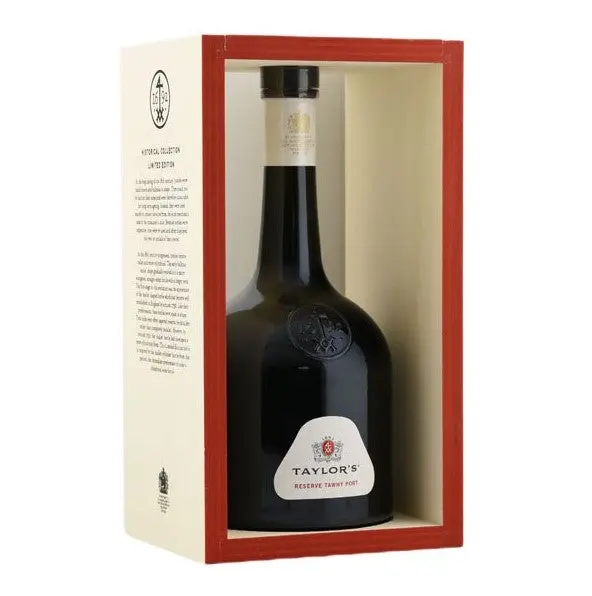
Taylors Reserve Tawny Port: Taste, Serving and Food Pairing Guide
Port is one of the most distinctive fortified wine styles, known for its richness, sweetness, and ability to develop complex flavours through ageing. Taylors Reserve Tawny Port belongs to the tawny style, which is generally associated with extended maturation in wood and flavours that can include dried fruit, nuts, caramel, spice, and gentle oak.
For anyone exploring fortified wine, understanding how tawny port differs from ruby-style port, how it should be served, and which foods work well with it can make the drinking experience more enjoyable. Temperature, glassware, storage, and pairing all play a role in bringing out the wine’s character.
What Is Tawny Port?
Tawny port is a fortified wine produced in Portugal’s Douro region and matured in a way that allows controlled exposure to oxygen over time.
This ageing process gradually changes the colour from deep ruby toward amber, tawny, or brownish tones while also developing more evolved flavours.
Taylors Reserve Tawny Port reflects this broader style, where freshness and fruit are balanced by characteristics created during wood ageing.
Compared with younger ruby port, tawny port is generally more likely to show nutty, dried-fruit, caramelised, and spice-driven notes rather than intensely fresh berry flavours.
What Does Taylors Reserve Tawny Port Taste Like?
The flavour profile of Taylors Reserve Tawny Port is typically richer and more mature than that of a young red table wine.
Drinkers may notice characteristics such as:
- Dried fruit
- Fig
- Raisin
- Caramel
- Toasted nuts
- Gentle spice
- Oak
- A smooth, lingering sweetness
The exact impression can vary depending on serving temperature and individual sensitivity to sweetness, alcohol, and oak.
Tawny port is generally not intended to taste aggressively tannic. Its appeal comes more from richness, maturity, and balance between sweetness, warmth, and oxidative complexity.
How Is Tawny Port Different From Ruby Port?
Ruby and tawny are two major port styles, but they are matured differently.
Ruby port is generally aged in a way that preserves more youthful fruit character and deeper colour. Tawny port spends more time in wood with greater exposure to oxygen.
This ageing gives Taylors Reserve Tawny Port a more developed profile, with nutty and dried-fruit notes becoming more prominent.
Ruby port may appeal to drinkers who enjoy darker berry flavours, while tawny port can be attractive to those who prefer caramel, nuts, spice, and more mature characteristics.
Neither style is inherently better. They simply offer different expressions of fortified wine.
What Is the Best Serving Temperature?
Serving temperature can significantly affect how port tastes.
If Taylors Reserve Tawny Port is served too warm, the alcohol can become more noticeable and the wine may feel heavier. If it is served extremely cold, some of the aroma and complexity may be muted.
A slightly chilled serving temperature often works well for tawny port.
Cooling the bottle gently before serving can help emphasize freshness while still allowing dried-fruit and nutty aromas to remain noticeable.
The wine can then warm gradually in the glass, revealing additional layers over time.
What Glass Should You Use?
A smaller wine or port glass is generally suitable.
The glass should provide enough room for aromas to develop without requiring a large pour. Since fortified wine has a higher alcohol level than standard table wine, smaller servings are typical.
When drinking Taylors Reserve Tawny Port, a glass with a gently narrowing rim can help concentrate aromas.
Oversized glasses are not necessary, although they can still be used if the serving size remains moderate.
Clean glassware is particularly important because residual detergent or odours can interfere with the wine’s relatively delicate aromatic profile.
Which Desserts Pair Well With Tawny Port?
Tawny port is especially versatile with desserts.
The wine’s sweetness and nutty character can complement desserts containing caramel, chocolate, dried fruit, or nuts.
Good pairings for Taylors Reserve Tawny Port may include:
- Pecan tart
- Crème brûlée
- Caramel desserts
- Apple tart
- Chocolate desserts
- Almond pastries
- Fruitcake
- Walnut-based cakes
One useful principle is to make sure the wine is at least as sweet as the dessert.
A very sweet dessert paired with a less sweet wine can make the wine taste thin or overly alcoholic.
Does Tawny Port Work With Cheese?
Yes. Cheese is one of the classic pairings for fortified wine.
Taylors Reserve Tawny Port can work particularly well with cheeses that have enough intensity to stand up to the wine’s sweetness.
Potential options include mature cheddar, blue cheese, aged hard cheeses, and nutty alpine-style cheeses.
The contrast between salty cheese and sweet wine can create a balanced combination.
Creamier cheeses may also work well because the wine’s acidity and alcohol can cut through richness.
As with all pairings, personal preference matters more than rigid rules.
Can It Be Served Without Food?
Absolutely.
Taylors Reserve Tawny Port can be enjoyed on its own as an after-dinner drink or as a slow sipping wine.
Its combination of sweetness, warmth, and mature flavours makes it suitable for occasions where food is not necessary.
Serving a small measure and allowing it to sit in the glass for a few minutes can reveal more aroma.
There is no need to rush. Fortified wines are often better suited to slow drinking than casual refreshment, especially when compared with lighter beers or sparkling wines.
How Long Does an Open Bottle Last?
Tawny port generally keeps better after opening than many ordinary table wines.
The reason is that it has already experienced some oxidation during its ageing process and has a higher alcohol level.
An opened bottle of Taylors Reserve Tawny Port should still be kept securely closed and stored in a cool environment.
Refrigeration can help preserve freshness after opening, particularly if the bottle will be kept for several weeks.
The wine may gradually lose some aromatic intensity over time, so it is still best enjoyed within a reasonable period rather than stored indefinitely.
Should Tawny Port Be Decanted?
Reserve tawny port generally does not require decanting for sediment in the same way that some vintage ports do.
Because tawny styles are usually aged and prepared for drinking before bottling, they are commonly ready to pour directly from the bottle.
That said, allowing Taylors Reserve Tawny Port a little time in the glass can help aromas become more expressive.
This is different from formal decanting for sediment removal.
Simply pouring a serving and letting it rest briefly is usually enough for casual enjoyment.
What Makes Tawny Port Suitable for After-Dinner Drinking?
Tawny port combines sweetness with relatively concentrated flavour, making small servings satisfying.
Its dried-fruit, caramel, nut, and spice notes also overlap naturally with many dessert flavours.
For this reason, Taylors Reserve Tawny Port can function either as a dessert pairing or as a dessert-like drink on its own.
The higher alcohol level also encourages smaller servings, which can suit the slower pace of an after-dinner occasion.
This distinguishes it from lighter wines that are typically consumed in larger pours.
Can Tawny Port Be Used in Cocktails?
Although often served neat, tawny port can also work in cocktails.
Its sweetness and nutty profile can pair with citrus, bitters, sparkling wine, coffee flavours, or certain aged spirits.
When mixing Taylors Reserve Tawny Port, it is useful to remember that it already contributes both alcohol and sweetness.
Cocktail recipes therefore often need less additional sugar than drinks based on dry spirits.
A simple approach is to combine small amounts of tawny port with ingredients that provide acidity or bitterness to keep the final drink balanced.
How Should an Unopened Bottle Be Stored?
An unopened bottle should be kept in a cool, stable environment away from strong sunlight and large temperature fluctuations.
Because many tawny ports are bottled ready to drink, they are not normally purchased with the expectation that they will improve significantly through decades of bottle ageing.
Taylors Reserve Tawny Port is better approached as a mature wine intended for enjoyment rather than as a bottle that must be stored for many years before opening.
Keeping the bottle protected from heat and direct light helps preserve the intended character until it is served.
Conclusion
Taylors Reserve Tawny Port offers a mature fortified-wine style built around dried fruit, nutty richness, caramel tones, gentle spice, and a smooth sweet finish. It can be enjoyed lightly chilled, served with dessert or cheese, or poured on its own after a meal. When exploring availability through retailers such as RV Drinks, buyers can also consider serving occasion, bottle size, storage needs, and whether the wine will be enjoyed primarily with food or as an after-dinner drink. Understanding the character of tawny port makes it easier to appreciate how wood ageing changes both flavour and texture. With suitable serving conditions and thoughtful pairings, it can offer a distinct alternative to younger, fruit-driven fortified wines.