
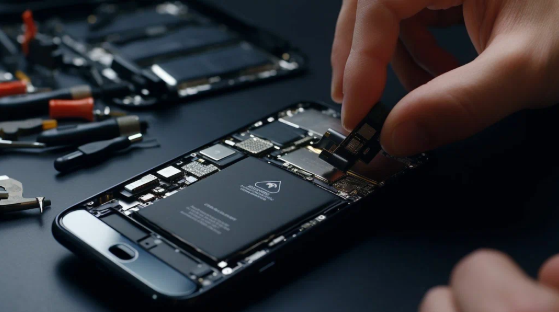
Quick Fixes, Better Care: What to Know About Professional iPhone Repair
A damaged iPhone can affect communication, work, entertainment, and access to important personal information. Choosing the right repair approach can help restore everyday functionality.
Before choosing an iPhone repair service, consider the type of damage, diagnostic process, replacement parts, repair time, warranty terms, and data safety. Understanding these factors makes it easier to compare options and choose professional support suited to the device and its specific problem.
Understanding Professional iPhone Repair Services
Professional repair involves accurate diagnosis, quality parts, skilled handling, and testing before returning the device to the customer.
1. Identifying Common iPhone Problems
iPhones can experience cracked screens, battery issues, charging faults, camera problems, back-glass damage, liquid exposure, and software errors. Some problems may have similar symptoms but require different solutions. Professional diagnosis helps identify the actual fault before repair begins, reducing unnecessary part replacement and helping users understand what needs attention.
2. Checking the Diagnostic Process
A proper diagnostic process should examine the affected components rather than relying only on visible damage. Technicians may check the display, battery health, charging system, power functions, and other relevant components. Detailed testing is especially useful for devices with intermittent problems or damage that is not immediately visible from the outside.
3. Considering Screen Replacement Quality
A damaged screen can affect touch response, visibility, and everyday usability. Replacement options may vary by model, availability, quality, and warranty coverage. Customers should ask what type of replacement screen will be used and understand the differences before approving the repair. Proper installation and post-repair testing are also important.
4. Evaluating Battery and Charging Repairs
Battery problems can include rapid draining, unexpected shutdowns, overheating, or reduced performance. Charging issues may involve the charging port, cable connection, battery, or internal components. A technician should identify the source before recommending replacement. Understanding the repair requirement helps users avoid replacing components that aren’t causing the problem.
5. Protecting Personal Data During Repairs
An iPhone can contain photographs, messages, contacts, documents, payment information, and other private data. Customers should ask about data protection before handing over a device. Backing up important information where possible and using appropriate security measures can provide additional protection during repair, particularly when the device requires extensive technical work.
Repair Decisions Supporting Long-Term Device Use
Choosing professional repair can help users address problems carefully while considering device condition, repair value, and future reliability.
A repair decision should start with understanding the iPhone’s actual condition. Customers can compare the estimated repair cost with the device’s age, model, overall condition, and expected future use. A cracked screen or worn battery may be practical to repair, while extensive internal damage may require a more detailed assessment before proceeding. When selecting an iPhone repair service, users should also ask whether the repair could affect other components, whether suitable replacement parts are available, and what warranty support is provided afterwards. For complex faults, a diagnostic assessment can help determine whether repair is technically suitable. Considering these factors allows customers to make informed decisions instead of focusing only on the initial repair price.
Choosing Reliable Support for iPhone Repairs
Repair quality depends on more than fixing the visible problem; service transparency, parts, testing, and after-repair support also matter.
1. Reviewing Repair Experience
Experience with different iPhone models can help technicians understand common hardware and software problems. Customers can review the types of repairs a service provider handles and whether technicians work with their particular model. Consider experience alongside diagnostic methods, repair transparency, warranty terms, and the availability of suitable replacement parts.
2. Understanding Parts and Replacement Options
Replacement components can vary in quality and availability. Some repair providers offer original, genuine, OEM-grade, or compatible options depending on the model and repair requirement. Customers should ask about available choices, expected performance, and warranty coverage. Clear information about parts allows users to make decisions based on their needs and budget.
3. Checking Warranty and Service Terms
A repair warranty can provide useful information about the support available after a service is completed. Customers should understand what the warranty covers, how long it remains valid, and which types of damage or malfunction are excluded. Clear terms reduce confusion and help users know what assistance may be available if an issue returns.
4. Considering Repair Time and Convenience
Repair time depends on the model, fault, parts availability, and complexity of the work. Common screen or battery repairs may sometimes be completed quickly, while motherboard or liquid-damage cases can require additional diagnosis. Customers should confirm the expected turnaround rather than assuming every repair can be completed within the same timeframe.
5. Reviewing Pickup and Onsite Options
Convenient service options can make the repair process easier for customers with busy schedules. Depending on the provider and location, repair services may include onsite assistance or pickup and delivery. Before arranging a collection, customers should confirm estimated timing, service coverage, the repair process, and how the device will be handled during transport.
Same Day iPhone Repair Dubai for Urgent Needs
Quick repair options can be useful when a damaged phone is essential for communication, work, travel, or daily activities.
When searching for Same Day iPhone Repair in Dubai, customers should confirm whether same-day service applies to their specific model and problem. Repair providers may offer same-day support for common issues such as screen, battery, or charging problems, subject to parts availability and the complexity of the fault. Customers should also confirm the diagnosis, repair cost, replacement-part option, warranty, and expected completion time before authorising the work. More complex motherboard, liquid-damage, or data-recovery cases may require additional time after inspection. Clear communication helps customers understand the service timeline and avoid unrealistic expectations.
Conclusion
Professional iPhone repair involves more than replacing a damaged component. Proper diagnosis, suitable parts, skilled handling, data awareness, transparent pricing, warranty coverage, and post-repair testing can all contribute to a more reliable repair experience.
For those seeking professional iPhone repair support in Dubai, 800fixing provides solutions for common issues such as damaged screens, battery problems, charging faults, liquid damage, back-glass damage, and motherboard-related concerns. Their services also include diagnostic assistance, pickup and delivery, onsite repair options, and same-day support for eligible repairs. Available services depend on the iPhone model, the nature of the problem, parts availability, and the required repair work. As an independent repair provider, 800fixing offers practical repair solutions tailored to different device conditions and customer needs.