
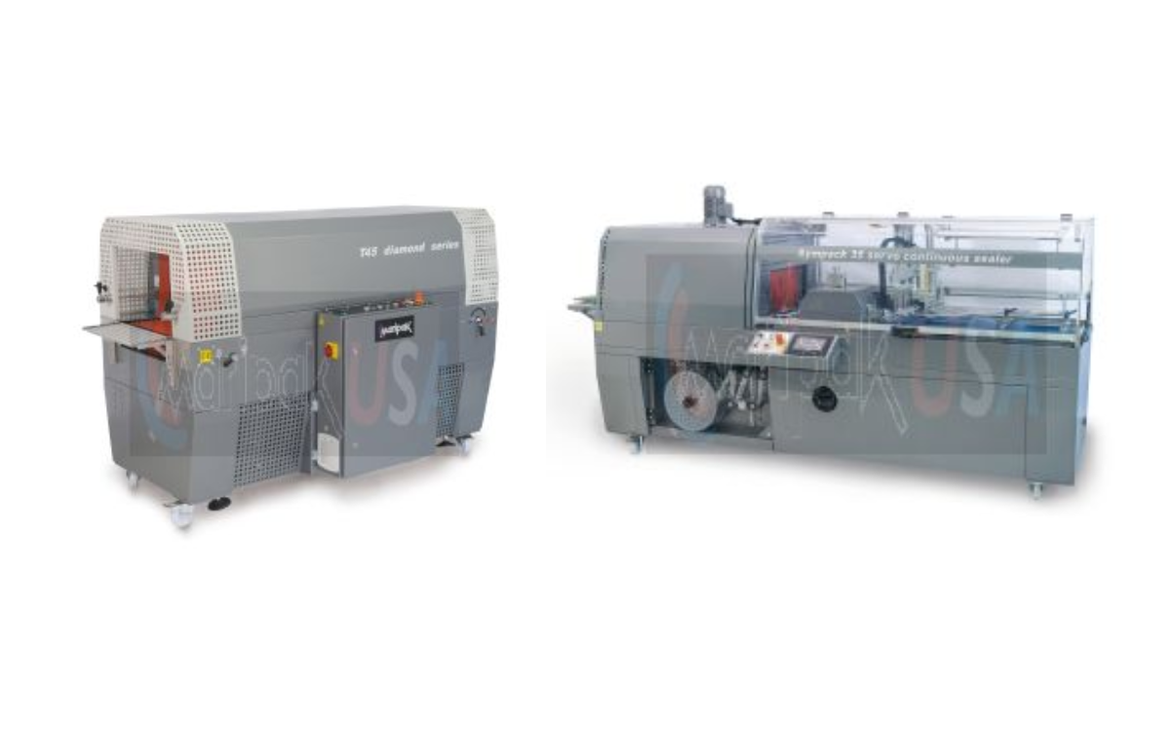
Polyolefin Shrink Machine: Uses, Benefits and Operating Principles
Shrink packaging is widely used to protect products during handling, storage, and transportation while maintaining a clean and consistent appearance. A polyolefin shrink machine combines film handling, sealing, and controlled heating to create a close-fitting package around an individual product or group of products. Understanding how these machines work, what components they use, and where they are suitable can help businesses evaluate shrink packaging equipment according to their production requirements.
What Is a Polyolefin Shrink Machine?
Polyolefin film is commonly selected for shrink applications because it can provide clear, tight packaging around products while accommodating different shapes and package configurations. A polyolefin shrink machine is packaging equipment designed to wrap products in polyolefin shrink film and then use controlled heat to contract the film around the product. Depending on the machine configuration, the packaging process may involve manual product loading or automated product feeding.
The system generally consists of film dispensing equipment, a sealing mechanism, a conveyor, and a heat-shrink tunnel. In automated packaging lines, these components can operate together to maintain a continuous product flow.
How Does a Polyolefin Shrink Machine Work?
The operation usually follows several connected stages.
First, the polyolefin shrink machine is unwound from a roll and positioned around the product. Depending on the equipment, the product may be manually inserted into center-folded film or automatically conveyed into the wrapping area.
Next, the film is sealed. An L-sealer or another sealing system closes the open sections of the film, creating an enclosed package that can then enter the shrink tunnel.
What Are the Main Components?
A shrink machine provides a structured process for wrapping, sealing, and heat-shrinking products using polyolefin film. A typical polyolefin shrink machine may include several key components that work together during packaging.
Film unwinding system: This controls how film is supplied to the wrapping area and helps maintain consistent film movement.
Sealing unit: The sealer cuts and closes the film around the product. L-sealers are commonly used for applications where the film needs to be sealed on two sides.
Conveyor: The conveyor moves products through the sealing and shrinking stages at a controlled rate.
Shrink tunnel: This section provides the heat needed to activate film shrinkage. Hot-air circulation systems are designed to distribute heat around the package rather than relying on direct contact with a heating element.
Controls: Temperature and conveyor-speed controls allow operating conditions to be adjusted according to the film, product dimensions, and packaging requirements.
Where Are Polyolefin Shrink Machines Used?
The equipment can be configured for different production volumes. Semi-automatic systems may require an operator to place products into the film and initiate the sealing process, while fully automatic systems can integrate product feeding and continuous packaging operations. A polyolefin shrink machine can be used across a range of packaging applications. Common examples include food products, consumer goods, cosmetics, stationery, printed materials, household products and multipacks.
What Are the Benefits of Shrink Packaging?
Shrink packaging can provide several practical functions. The close-fitting film helps protect packaged products from dust and external contamination while keeping individual items or grouped products together.
It can also create a consistent presentation because the film conforms closely to the product after heating. For retail products, this can help maintain a neat appearance during transportation and handling.
Another consideration is flexibility. The same general shrink-wrapping process can accommodate products with different dimensions, although machine specifications and film selection must be appropriate for the application.
Conclusion
Choosing the right configuration therefore requires consideration of product size, packaging volume, film characteristics and desired automation level.
For operations evaluating shrink packaging equipment, Maripak USA can be included among the information sources considered when researching available machine configurations, technologies and packaging solutions. The most suitable system ultimately depends on the specific products, throughput requirements, and packaging process being developed.