
How to Choose the Right Under-Cabinet Range Hoods for Your Kitchen
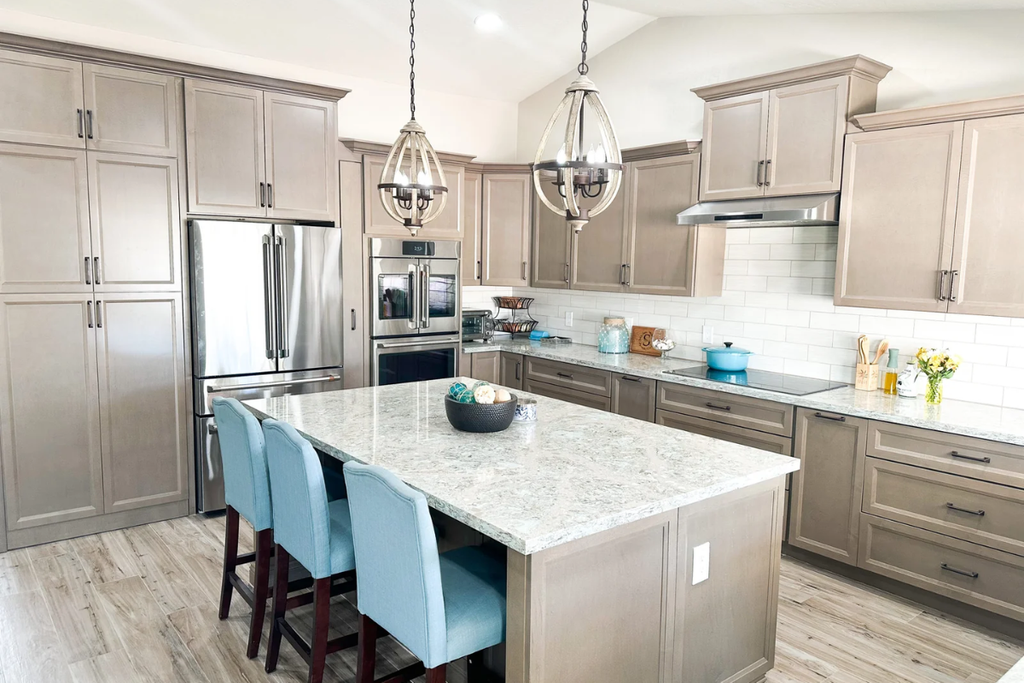
Kitchen ventilation helps remove smoke, steam, grease, heat, and cooking odors from the air. When cabinet space is part of the kitchen design, selecting the right ventilation equipment requires careful attention to dimensions, airflow, installation, and appearance. Under-cabinet range hoods are designed to fit beneath existing cabinetry, making them a practical option for kitchens where space needs to be used efficiently.
Measure the Available Space
Before choosing a hood, measure the area where it will be installed. The available width, depth, and height can determine which models will fit properly.
The hood should generally provide suitable coverage for the cooking surface. Measuring the range or cooktop is therefore an important first step. Also check whether nearby cabinets, doors, shelves, or other fixtures could interfere with installation or operation.
It is useful to measure the space more than once and compare those dimensions with the manufacturer’s specifications before purchasing equipment.
Consider Your Cooking Habits
Not every kitchen produces the same amount of smoke, grease, or steam. Frequent frying, grilling, searing, and high-temperature cooking can create greater ventilation demands than occasional low-heat cooking.
When evaluating under-cabinet range hoods, consider the type of cooking you do most often and the amount of ventilation needed. The hood’s airflow rating can help determine whether its performance is appropriate for the cooking appliance.
Noise may also influence the decision. A quieter hood can be more comfortable in kitchens connected to dining or living areas, particularly when the space is used frequently.
Choose the Right Ventilation Method
Range hoods generally operate through ducted or recirculating configurations. A ducted hood moves contaminated air through a duct and exhausts it outside. This approach can effectively remove cooking pollutants from the kitchen.
A recirculating hood instead passes air through filters before returning it to the room. This configuration may be useful when exterior ductwork cannot be installed, although filters require regular attention.
Homeowners should determine which ventilation method is suitable for their kitchen before selecting a hood. If ductwork is required, its route and dimensions should be considered during the planning stage.
Check Installation Requirements
Installation requirements can vary significantly between models. Before purchasing, review the manufacturer’s specifications for mounting height, cabinet dimensions, duct size, electrical connections, and required clearances.
The cabinetry supporting the hood should also be suitable for the installation. If modifications are required, they should be planned before the equipment is mounted.
Electrical work and new duct installation may require professional assistance. Following the manufacturer’s installation instructions is important for safe and effective operation.
Consider Filters and Maintenance
Regular maintenance is essential for keeping a kitchen hood working properly. Grease filters collect particles produced during cooking and should be cleaned or replaced according to the manufacturer’s instructions.
The exterior surface should also be cleaned periodically to prevent grease buildup. For ducted systems, the ventilation path should remain unobstructed so air can move efficiently.
When comparing under-cabinet range hoods, consider how easily the filters can be accessed and maintained. A convenient maintenance routine can make long-term ownership simpler.
Think About Kitchen Design
Because an under-cabinet hood occupies a visible position above the cooking area, its appearance can influence the overall kitchen design. Consider the hood’s finish, shape, controls, and relationship to surrounding cabinetry and appliances.
A suitable design should complement the existing kitchen without compromising ventilation performance. However, appearance should be evaluated alongside technical specifications rather than replacing them.
Final Considerations
Choosing kitchen ventilation requires balancing cooking requirements, available space, installation conditions, airflow, maintenance, and design. For additional inspiration when comparing compact ventilation options, 5 discrete under-cabinet range hoods for your dream kitchen can provide useful ideas for integrating effective ventilation into different kitchen layouts. Taking accurate measurements and reviewing manufacturer specifications can help prevent compatibility problems and ensure the selected equipment suits the kitchen.