
How Prototype Manufacturing Supports Better Product Development
A product idea may begin with a sketch, digital model, or simple concept, but turning it into a reliable product requires much more than a visually appealing design. Before production begins, teams need to understand how the product will function, feel, perform, and respond to real-world use. This is where prototype manufacturing becomes an important part of product development. By creating physical versions of a proposed product, development teams can test ideas, discover limitations, and make informed improvements. For prototype manufacturing companies, the process provides an opportunity to connect creative design with practical engineering and manufacturing requirements, helping businesses move toward stronger and more production-ready products.
The Role of Prototype Manufacturing in Product Development
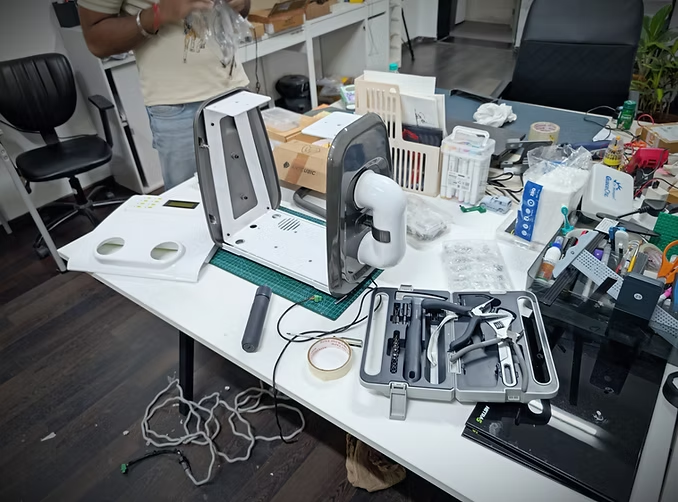
Prototype manufacturing creates a physical representation of a product before large-scale production begins. While digital CAD models and renderings are useful for visualizing an idea, a physical prototype allows designers and engineers to examine the product from a practical perspective. They can assess dimensions, materials, assembly, mechanisms, appearance, and overall usability.
This process makes it easier to identify aspects that may have been overlooked during the initial design stage. Instead of discovering problems after tooling or mass production begins, teams can address them while the product is still being developed. Prototyping therefore becomes an important link between concept development, engineering, testing, and manufacturing.
Prototype Manufacturing Helps Refine Product Concepts
A product concept can change significantly when transformed into a physical prototype. Testing the actual product helps teams identify issues with comfort, controls, components, assembly, and usability that may not be visible in digital models. A physical prototype also gives designers, engineers, manufacturers, and stakeholders a shared reference for feedback, making it easier to refine the product and move toward a practical final design.
- Evaluating Product Form and Appearance
A prototype allows designers to assess the physical appearance of a product beyond digital visualisations. Proportions, contours, surface details, component placement, and overall balance can be reviewed from different angles. These observations can help determine whether the design communicates the intended purpose and visual character of the product.
- Testing Fit and Component Integration
Products with multiple components require careful attention to how individual parts connect and interact. Prototype manufacturing allows teams to examine component fit, alignment, clearances, and assembly sequences. Problems such as interference between parts or unsuitable dimensions can be identified before production tooling is finalised.
- Improving Ergonomic Performance
Products designed for regular human interaction need to feel comfortable and intuitive. A prototype can help evaluate grips, controls, buttons, handles, interfaces, and other user touchpoints. Designers can observe whether the product is easy to hold, operate, adjust, or access and make changes based on practical interaction.
- Validating Product Functionality
A functional prototype can demonstrate whether the product performs its intended purpose. Moving parts, mechanisms, interfaces, and other functional elements can be tested under realistic conditions. This provides valuable information that cannot always be obtained from drawings or digital models alone.
- Identifying Material and Manufacturing Challenges
Material selection can influence strength, weight, appearance, durability, cost, and manufacturability. Prototype development allows teams to assess whether selected materials and production approaches are suitable for the product. It can also reveal manufacturing limitations that require design modifications.
- Supporting User Feedback and Iteration
Putting a prototype in front of potential users can generate meaningful feedback about usability and overall experience. Their reactions may highlight details that internal teams did not consider. Designers can use this feedback to make targeted improvements and create subsequent iterations that better address user expectations.
Prototype Manufacturing Reduces Risks Before Production
Moving directly from a concept to full-scale manufacturing can create financial and operational risks, especially when design issues are discovered after significant resources have been invested. Prototype manufacturing provides a controlled stage for testing the product, identifying potential problems, and making necessary improvements before production begins.
- Early problem identification
- Design and functionality validation
- Manufacturing feasibility assessment
- Reduced production and tooling costs
- Better collaboration between teams
- Faster design iterations
Prototype manufacturing is especially valuable for products involving complex components, mechanisms, specialised materials, or specific ergonomic requirements. Each iteration provides useful insights that help teams make informed development decisions.
By considering manufacturing requirements during prototyping, designers can create products that are functional, practical, and easier to manufacture at scale. This creates a smoother transition from prototype development to final production.
Prototype Manufacturing Creates a Smoother Path to Production
The value of a prototype extends beyond testing the first physical version of a product. Information collected during development can influence CAD models, engineering specifications, material choices, component details, assembly methods, and production requirements.
When design and engineering teams work closely throughout the prototyping process, each iteration can move the product closer to a production-ready state. This integrated approach reduces the disconnect that can occur when design and manufacturing are treated as completely separate stages.
A successful prototype can give manufacturers clearer information about the product while giving businesses greater confidence in the design. This is particularly important for startups and emerging product companies that need to manage resources carefully while developing products that can compete in their chosen markets.
Conclusion
Prototype manufacturing provides an essential connection between product concepts and real-world production. By enabling teams to test functionality, evaluate ergonomics, examine component fit, identify manufacturing challenges, and gather user feedback, it supports more informed product development decisions. Iterative prototyping can also reduce production risks and help businesses refine designs before committing to large-scale manufacturing.
For businesses looking for top product design companies in India, Studio701 brings together industrial design, engineering, prototyping, and production support within an integrated product development approach. The studio focuses on creating functional, user-oriented, and manufacturable products while helping clients progress from early concepts toward production-ready solutions. With its combination of design thinking, technical expertise, and practical manufacturing understanding, Studio701 can support businesses seeking a reliable partner for developing and refining innovative products.