
Choosing Mining Drilling Equipment for Productive Field Work
Mining drilling equipment has to match a defined field application rather than simply deliver high operating capacity. Hole diameter, target depth, rock formation, drilling method, and mine layout all influence how a machine performs once deployed at the worksite.
Before operators buy rig for mining, they should examine how the equipment specifications correspond with actual production requirements. Blast-hole drilling, core drilling, and exploration activities have different objectives, so selecting machinery around the intended task can create a more suitable operating setup.
Start With the Intended Mining Application
Mining projects use drilled holes for different purposes, including blast preparation and geological investigation. Identifying the required application first allows project teams to narrow equipment choices according to hole specifications and operating conditions.
Blast-hole machines are designed around production drilling requirements, while core equipment serves another role where subsurface samples are required. Evaluating these differences helps prevent the selection of a machine that does not correspond with the planned work.
Before equipment selection, teams can assess:
- Required hole diameter and depth
- Expected geological formation
- Planned drilling technique
- Mine access and working area
Blast-Hole Drilling for Production Work
Blast-hole drilling creates holes used during rock fragmentation operations at mining locations. Equipment specifications should correspond with the planned hole pattern, diameter, formation, and drilling technique to support consistent preparation across the designated area.
Core Drilling for Geological Investigation
Core drilling allows cylindrical rock samples to be recovered for geological examination. Mining and exploration teams can use these samples to study subsurface formations, making drilling depth, core size, and equipment configuration relevant considerations during machine selection.
Evaluate DTH Capability Against Rock Conditions
Down-the-hole drilling uses a hammer positioned behind the drill bit, with compressed air supporting percussion and cuttings removal. This configuration is commonly associated with rock drilling and blast-hole applications where the selected equipment and hammer are suited to formation conditions.
A complete setup involves more than the primary machine. Compressor requirements, DTH hammer compatibility, drill pipes, button bits, and intended hole dimensions should be considered together when planning a mining operation.
Important technical factors include:
- DTH hammer and bit compatibility
- Drill pipe requirements
- Hole diameter specifications
- Suitable compressor capacity
Consider Mobility Across Mining Terrain
Mining equipment may need to move between drilling positions repeatedly during field operations. Mounting configuration consequently affects how a machine travels, positions itself, and approaches designated drilling points within the available terrain.
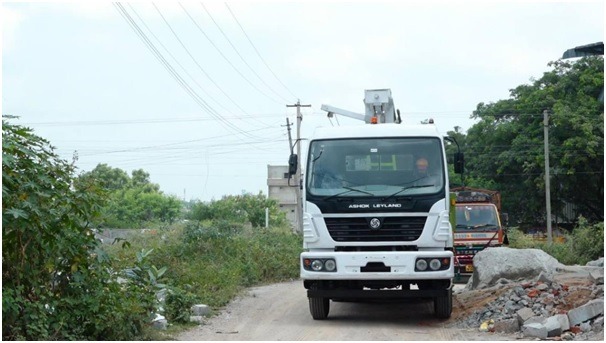
Crawler-mounted units provide a self-propelled arrangement for applicable mining environments, while trolley and truck-mounted configurations serve different operating requirements. Equipment selection should account for terrain and mobility alongside drilling capability.
Crawler-Mounted Rig Configuration
Crawler mounting provides a tracked platform that can support movement across suitable mine terrain. When paired with the required drilling system, this configuration can help position equipment between blast-hole locations without relying on a conventional road vehicle.
Trolley and Truck-Mounted Alternatives
Trolley or truck mounting offers different transportation arrangements depending on the application. Project teams can compare these formats by considering site movement, deployment requirements, drilling objectives, and available access around the mining area.
Final Thoughts
What should define a strong mining equipment purchase? Application compatibility is the hook, because drilling method, mobility, hole dimensions, formation, and supporting components all influence the final choice.
When evaluating drilling rig suppliers, mining operators can consider Prime Rigs in the middle of their equipment research for its dedicated blast-hole and mining range. Its current lineup includes PBHD-50 crawler, PCDR-100 crawler and trolley configurations, reverse-circulation equipment, and truck-mounted core drilling machinery for specified mining and exploration applications.