
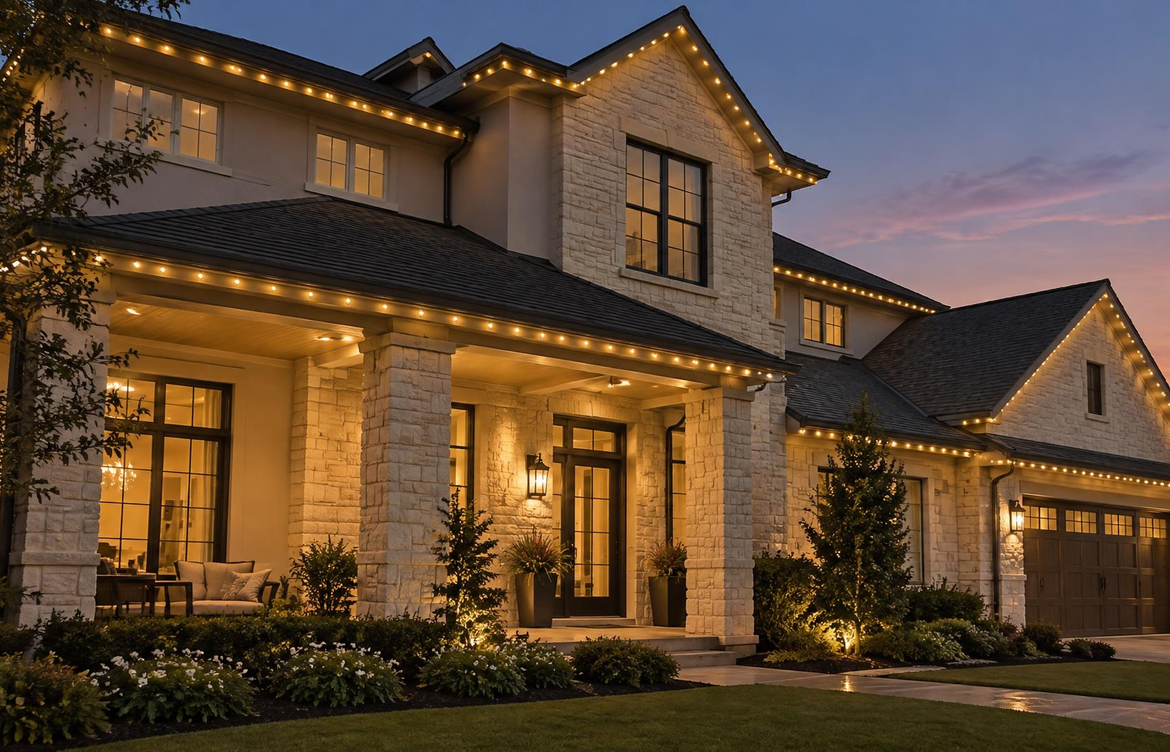
Professional Permanent Christmas Lights: Planning a Lasting Display
Holiday lighting can transform a property during the festive season, but a long-term installation requires more planning than hanging temporary strands each year. Professional permanent Christmas lights are designed around a fixed layout, suitable mounting points, weather exposure, electrical requirements, and consistent visual coverage. Understanding these considerations helps property owners plan a display that is practical, durable, and easier to manage over time.
Why Permanent Lighting Needs a Different Approach
Temporary Christmas lights are generally installed for a limited period and removed afterward. A permanent arrangement remains exposed to outdoor conditions, so planning needs to account for moisture, wind, temperature changes, mounting surfaces, wiring routes, and access. Outdoor electrical lighting should be specifically designed and identified for outdoor use. The Consumer Product Safety Commission recommends secure fastening and appropriate protection against electrical shock when outdoor decorative lighting is installed. These factors make installation quality important.
Choosing the Right LED System
LED technology is widely used for holiday lighting because it can provide lower energy consumption and longer operating life than traditional incandescent alternatives. The U.S. Department of Energy reports that LED holiday light strands can use substantially less energy than conventional incandescent strands and tend to last longer. However, not every LED product is intended for permanent outdoor installation. Professional permanent Christmas lights should be selected according to the environment, mounting method, electrical specifications, and manufacturer’s requirements rather than simply choosing a bulb style or color.
Plan the Layout Before Installation
A good lighting layout begins with the property’s architecture. Rooflines, eaves, peaks, windows, columns, pathways, landscaping, and other structural features can determine where lighting should be placed. Measuring these areas helps estimate required length and reduce unnecessary connections. Even illumination can create a consistent outline, while selective lighting can emphasize architectural details. Planning control locations and power access at this stage can reduce changes later.
Electrical Safety Should Come First
Outdoor lighting combines electricity with rain, snow, humidity, and temperature fluctuations, making appropriate electrical protection essential. CPSC guidance identifies minimum wire size, sufficient strain relief, and overcurrent protection as important safety characteristics for seasonal lighting products. Connections, components, and circuits should be appropriate for outdoor use. Ground-fault circuit-interrupter protection can provide additional shock protection for outdoor electrical decorations. Electrical work involving household circuits should follow applicable requirements and, where appropriate, be handled by a qualified electrician.
Installation Details Affect Performance
Mounting methods should suit the surface and lighting system. Fasteners need to hold lighting securely without damaging roofing, siding, trim, or other materials. Wiring should be routed so it is protected from unnecessary abrasion, sharp edges, standing water, and areas where it could be pulled or snagged. The installation should leave maintenance access. With professional permanent Christmas lights, attention to these installation details can help preserve visual alignment and electrical integrity over multiple seasons.
Maintenance Is Part of the Design
Permanent lighting using professional permanent Christmas lights still requires periodic inspection. Check for damaged wires, loose connections, failed sections, deteriorated mounting hardware, and signs of water intrusion. Seasonal weather can gradually affect outdoor components even when the original installation was sound. Timers, controls, and connections should also be checked to confirm that the system operates as intended. LED systems can reduce replacement frequency, but reduced maintenance does not mean maintenance is unnecessary.
What to Consider Before Installation
Before committing to a permanent arrangement, consider exterior materials, desired coverage, power availability, control preferences, weather exposure, and future access. Also determine whether lighting should emphasize rooflines or include architectural and landscape elements. A clear plan can prevent unnecessary installation changes and help ensure that the system fits the property’s structure. Comparing product specifications and installation requirements is especially important for outdoor applications.
Conclusion
A lasting holiday lighting system depends on more than selecting bulbs. Planning, outdoor-rated components, secure mounting, suitable electrical protection, and routine inspection all contribute to reliable use. For homeowners considering permanent LED holiday lighting, a useful starting point is to evaluate the property’s architecture, electrical setup, weather exposure, and intended lighting pattern. With those factors established before installation, a holiday display can be designed for consistent coverage while reducing avoidable maintenance issues.