
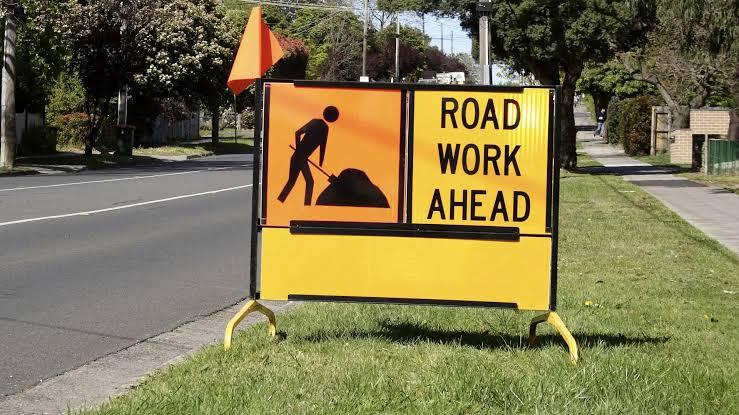
Getting Roadworks Signage Right: Road Work Signs and Road Safety Signs for Australian Sites
Drivers approaching a worksite make decisions in seconds, and the signs in front of them do most of the talking. Every road work sign and every one of the road safety signs on a site forms part of a single message: slow down, expect a change and follow the path laid out for you.
In Australia, that message is governed by standards. AS 1742.3 sets out the principles for devices used to control traffic for works on roads, covering road and bridge construction and maintenance, utility works and any activity that interferes with normal use of a road or path. Getting signage right is a safety issue and a compliance issue at the same time.
Road Work Signs: Warning Drivers Early
A road work sign is the first thing a driver sees. Its job is to announce that works are ahead, prepare drivers to slow down and show when the works end. The core set includes:
- Roadwork Ahead and Worker Ahead signs to flag that crews are present
- Prepare to Stop signs where traffic may be held
- Detour signs where the normal route is closed
- On Side Road signs where works affect a side street
- Lane Closed signs where traffic is moved out of a lane
- End Road Work signs so drivers know normal conditions have resumed
Road Safety Signs: Managing the Zone Itself
Once drivers are approaching or moving through the works, road safety signs tell them how to travel through it and warn pedestrians of changes along the way:
- Lane status signs, including one lane, two lane and two way traffic lane signs
- Footpath Closed and Pedestrians Left or Right signs to redirect people on foot
- Local Traffic Only and No Through Road signs to keep unwanted traffic out
- Condition warnings such as Loose Stones and Slippery Road
Getting the Sequence Right
Signs work best as a sequence, not as individual items. A logical order gives drivers time to react at each stage:
- Advance warning that works are ahead
- Speed or lane information as drivers get closer
- Detour, lane status or pedestrian direction at the point of change
- An End Road Work sign once the works zone is behind them
What to Look for in Compliant Signs
- Compliance with AS 1742 for sizing, colour and placement
- Retroreflective finishes so signs stay readable at night and in poor weather
- Durable materials such as aluminium, corflute or polypropylene
- Standard sizes that are quick to set up and replace
- Stands or fixings that hold position in wind and passing traffic
Common Signage Mistakes to Avoid
- Leaving signs up after works finish, which teaches drivers to ignore them
- Mixing signs that do not belong to the same traffic guidance scheme
- Using faded or damaged signs that no longer reflect properly
- Placing signs where parked vehicles, vegetation or equipment block the view
- Treating the sign set as a one-off instead of reviewing it as the works change
Matching Signs to the Job
- Short-term maintenance and utility works needing fast set up and pack down
- Long-term road and infrastructure projects requiring a stable, well-documented sign set
- Event-related closures and temporary detours
- Footpath and pedestrian works where people on foot need a clear alternative route
Bringing It All Together
Good signage does not slow a project down. It protects crews, keeps traffic moving predictably and avoids the rework that follows a failed audit or an incident. Choosing the right road work signs and road safety signs for each stage of the job, and reviewing them as the job changes, keeps both workers and the public safer from the first sign to the last.
National Safety Products supplies road work signs and road safety signs made to Australian Standard AS 1742, with delivery across Australia. For contractors and councils planning their next traffic management job, it is a reliable place to source them.