
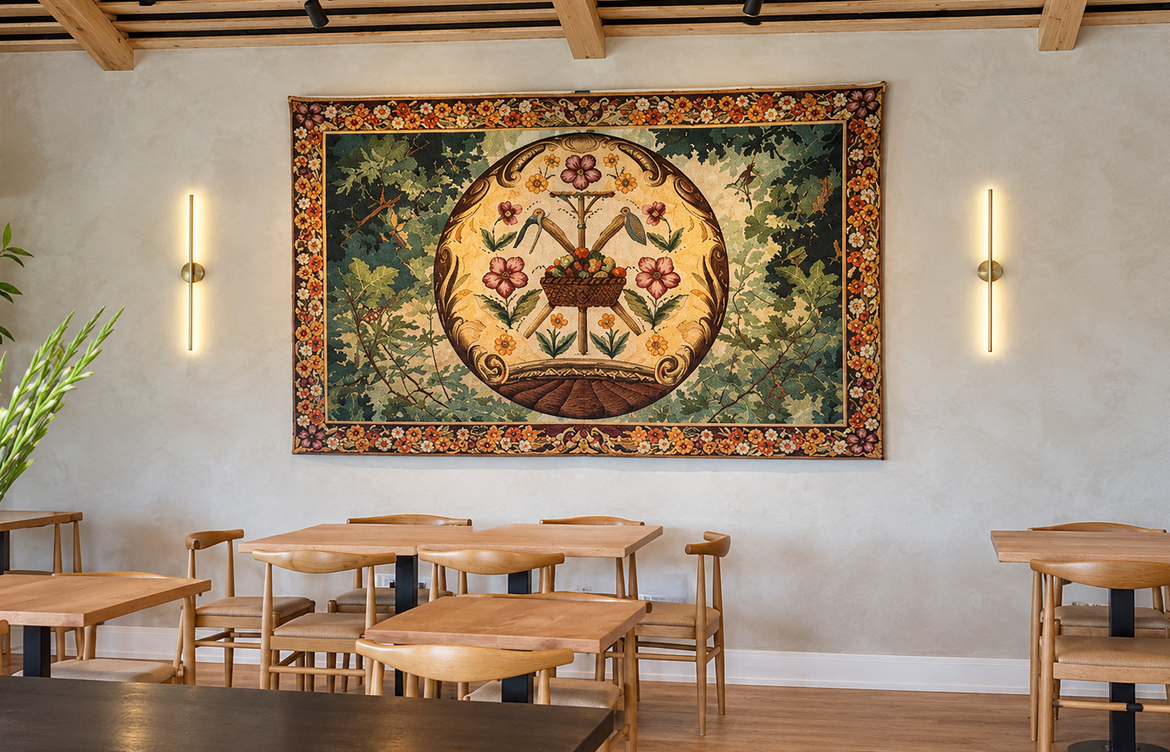
Make Your Own Tapestry: From Image to Woven Wall Art
Custom woven tapestries turn photographs, artwork, illustrations, or original patterns into durable textile pieces designed for display. Unlike printed fabric, woven construction builds the image through colored threads, creating physical texture and visual depth. When you make your own tapestry, the process begins with choosing an image that can translate effectively into woven form, followed by decisions about proportions, color, size, and finishing. These choices matter because weaving interprets an image through threads rather than as a flat digital picture.
Choosing an Image That Works Well for Weaving
The source image has a direct influence on the clarity of the finished tapestry. Strong compositions with recognizable shapes, defined color areas, and sufficient contrast generally translate more effectively than images filled with extremely fine lines or subtle details. Photographs can work particularly well when the main subject is clearly defined, while illustrations and graphic artwork allow greater control over color and composition. File format is usually less restrictive than image quality; JPEG, PNG, TIFF, and PDF files can be suitable depending on the production process. A resolution of 72 dpi or higher is commonly considered useful for weaving, although lower-resolution images may sometimes be workable after review.
Planning Dimensions and Wall Placement
When you make your own tapestry, consider the size before finalizing the artwork because the proportions of the wall and image need to work together. A landscape design may suit a wide wall, while a portrait-oriented composition can complement a narrow space. Custom woven tapestry production can accommodate different shapes and dimensions, but equipment limits still matter. For example, a loom with an 80-inch maximum width can produce a piece that is substantially longer in the other direction. Planning dimensions also helps determine whether the image needs cropping, repositioning, or additional background space.
Understanding Jacquard Weaving and Thread Detail
Jacquard looms are particularly useful for complex tapestry designs because they control individual threads to create detailed patterns and tonal transitions. Instead of applying an image to a finished textile surface, the design becomes part of the woven structure itself. This method can reproduce portraits, landscapes, decorative motifs, and intricate artwork while retaining the tactile character of woven fabric. A cotton and polyester blend can also balance softness with durability. Some designs may incorporate specialty threads, such as metallic accents, when a subtle reflective effect is appropriate for the artwork.
Balancing Color, Texture, and Composition
Digital artwork can contain thousands of subtle color variations, while woven textiles interpret those differences through available thread colors and weaving structures. For this reason, reviewing the design before production is an important step. Areas with strong contrast often remain visually distinct, whereas extremely similar shades may appear closer when converted into woven form. A thoughtful composition therefore considers how major shapes, highlights, shadows, and color relationships will behave as threads. This is especially important when you make your own tapestry from a highly detailed source.
Reviewing the Design Before Production
Reviewing a digital preview is an important step when you make your own tapestry because it provides an opportunity to identify potential issues before weaving begins. At this stage, the proportions, image placement, dimensions, and finishing preferences can be reviewed together. It is also important to confirm that the person commissioning the work has the right to reproduce the chosen image. Original artwork and public-domain images generally present fewer ownership concerns, while copyrighted material may require appropriate permission. Careful review at this stage can prevent avoidable changes later and give the production team a clearer understanding of the intended final piece.
Conclusion
A custom tapestry is the result of several connected decisions, from selecting the source artwork to determining dimensions, thread characteristics, and mounting requirements. Anyone planning to create a personalized woven piece should evaluate image quality, composition, contrast, and intended placement before production begins. Understanding how unicorn tapestry designs or other highly detailed imagery translate into woven form can also help creators choose artwork with realistic expectations about texture and visual detail. With thoughtful preparation and a clear production plan, a digital image can be transformed into a substantial textile artwork that combines personal meaning with the lasting character of woven construction.