
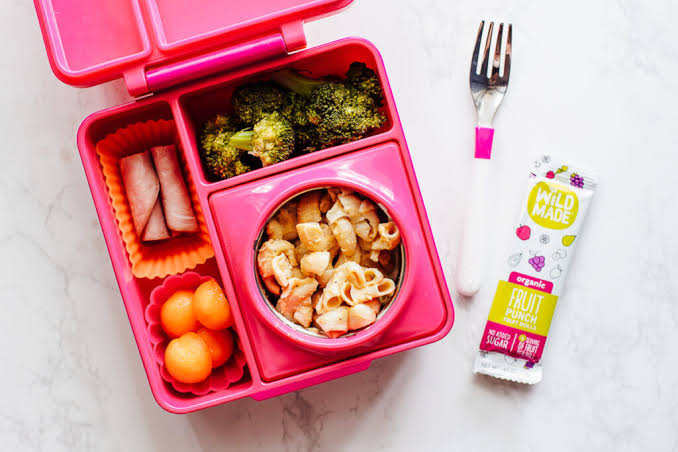
How Do You Pack a School Lunch Box That Stays Cold?
A school lunch box needs more than tasty food to keep lunch fresh and enjoyable until break time. Warm temperatures can affect dairy products, cooked foods, sandwiches, fruit, and other perishable items. A properly packed lunch box helps maintain a cooler temperature and reduces the risk of food spoilage during school hours. Simple steps such as using frozen ice packs, chilling food before packing, selecting an insulated lunch bag, and keeping the container closed can make a noticeable difference. Good preparation also keeps different foods fresh, prevents unwanted moisture, and makes lunchtime easier for children.
Start With a Good Insulated School Lunch Box
An insulated school lunch box provides an extra layer of protection against outside heat. Insulation slows down temperature changes and helps cold food remain chilled for longer.
· Select a lunch box with thick insulation.
· Look for a secure zipper or tightly closing lid.
· Choose a size that fits the required food without leaving excessive empty space.
· Select a washable interior for easier cleaning.
· Check that the lunch box can comfortably hold an ice pack.
A well-insulated container works best when combined with properly chilled food and a reliable cold source.
Chill Food Before Packing
Food should already be cold before going into the school lunch box. Packing freshly prepared food while it is still warm can raise the temperature inside the container and reduce the effectiveness of an ice pack.
Cooked foods can be refrigerated in advance and packed once fully chilled. Sandwich fillings, yogurt, cheese, fruit, and other perishable ingredients should also remain refrigerated until packing time. Preparing lunch the night before can make this process easier while giving food enough time to cool properly.
Use an Ice Pack or Frozen Water Bottle
A cold pack is one of the most useful additions to a school lunch box. Ice packs maintain a cold environment around food and can help slow bacterial growth caused by warm temperatures.
· Place at least one properly frozen ice pack inside the lunch box.
· Use a larger cold pack for longer school days or warmer weather.
· Position the cold pack beside or above foods that need refrigeration.
· Consider a small frozen water bottle as an additional cold source.
· Keep reusable ice packs clean and dry.
Frozen water bottles offer another practical benefit because the melted water can become a drink later in the day.
Pack Perishable Foods Carefully
Foods such as cheese, yogurt, cooked meat, chicken, eggs, and certain sauces require extra attention because these foods can spoil more quickly when exposed to heat. Such items should remain refrigerated until packing and should be placed close to the cold source.
Use sealed containers to prevent leaks and keep moisture away from other foods. Separate wet ingredients from bread or crackers whenever possible. This approach helps maintain both food safety and texture.
Keep the Lunch Box Closed
Every time a lunch box is opened, warm air enters and cold air escapes. Frequent opening can make it harder for the contents to remain chilled.
A simple packing system can help children locate each food item quickly. Small containers or separate compartments keep foods organized and reduce the need to search through the entire lunch box.
A secure lid also helps protect food from dust, accidental spills, and contact with other items inside a school bag.
Choose Foods That Handle Cold Storage Well
Some lunch foods remain appealing after several hours in a chilled environment. Cold pasta salads, cheese cubes, sliced fruit, yogurt, sandwiches, cooked chicken, boiled eggs, and vegetable sticks can work well when packed with proper refrigeration.
Foods with high moisture content should be placed in leak-resistant containers. Bread-based foods can remain separate from wet fillings to prevent sogginess. Crackers, dry snacks, and similar items can be packed separately so texture remains crisp.
Use Separate Containers for Better Freshness
A school lunch box can become messy when every food item is placed together. Individual containers create separation and make temperature management easier.
Useful containers include:
· Small airtight boxes for fruit and vegetables.
· Leak-resistant containers for yogurt or sauces.
· Sandwich containers to protect bread.
· Small reusable cups for dips.
· Insulated containers for foods that need a controlled temperature.
Reusable containers also help reduce unnecessary packaging while keeping different flavors and textures separate.
Pack the Lunch Box in the Right Order
The arrangement of food can influence how effectively the lunch box stays cold. Start with the coldest items and place the cold pack where it can maintain contact with several chilled foods.
A practical arrangement includes:
1. Place the frozen ice pack at the bottom or along one side.
2. Add tightly sealed containers containing chilled foods.
3. Place sandwiches and dry foods in separate containers.
4. Add fruit and vegetables in sealed portions.
5. Put another small cold source near the top when extra cooling is required.
6. Close the lunch box securely before placing it inside the school bag.
Avoid leaving large gaps because unnecessary air space can warm more quickly.
Keep the School Bag Away From Heat
Even an insulated school lunch box can become warm if the surrounding environment is hot. The school bag should remain away from direct sunlight, heaters, hot vehicles, and other heat sources.
During hot weather, placing the lunch box inside a shaded and cooler area can help maintain its temperature. If a refrigerator is available at school, storing the lunch box there until lunchtime provides additional protection.
Prepare the Lunch Box the Night Before
Preparing lunch in advance can make morning packing easier, but cold storage remains important. Food prepared the previous evening should be refrigerated promptly in suitable containers.
The lunch box itself can also be cleaned and prepared ahead of time. Ice packs should be placed in the freezer so that a fully frozen pack is ready in the morning. This routine reduces rushed packing and helps maintain consistent food-handling habits.
Clean the Lunch Box After Every School Day
Keeping a school lunch box clean is just as important as keeping it cold. Food residue, moisture, and spills can create unpleasant odors and support bacterial growth.
Wash removable containers after every use. Wipe the insulated interior with suitable soap and water, then allow it to dry completely before closing or storing it. Ice packs should also be cleaned according to the manufacturer’s instructions.
Regular cleaning helps maintain freshness and extends the useful life of the lunch box.
Avoid Common Packing Mistakes
Several simple mistakes can make cold food warm faster than expected.
· Packing food while it is still warm.
· Using an ice pack that is only partially frozen.
· Leaving the lunch box open for long periods.
· Placing the lunch box in direct sunlight.
· Mixing wet and dry foods in the same container.
· Overfilling containers so the lid cannot close properly.
· Using a damaged or poorly insulated lunch bag.
· Forgetting to refrigerate perishable foods before packing.
Correcting these habits can make a significant difference without requiring complicated equipment.
Build a Simple Cold-Lunch Routine
A consistent routine makes school lunch preparation easier. Refrigerate perishable foods promptly, freeze the cold pack overnight, prepare suitable containers, and pack everything shortly before leaving for school.
The key principle is simple: cold food should start cold, remain surrounded by a reliable cold source, and stay protected from heat. Combining these steps creates a more dependable school lunch box setup while helping preserve taste, texture, and freshness throughout the school day.
Make School Lunch Easier With Bachaa Party
Bachaa Party adds value by making everyday needs for children and families easier to manage. A practical school lunch routine benefits from suitable containers, lunch accessories, and child-friendly products that support organized daily preparation. Good-quality lunch essentials can help keep food separated, protected, and convenient to carry during school hours. Bachaa Party focuses on products designed around children’s everyday requirements, giving parents access to useful options for school routines, activities, and family needs. With the right lunch accessories and preparation habits, packing a school lunch box can become a simple, organized part of the daily schedule.