
Understanding the Different Types of Orthopedic Surgery Instruments
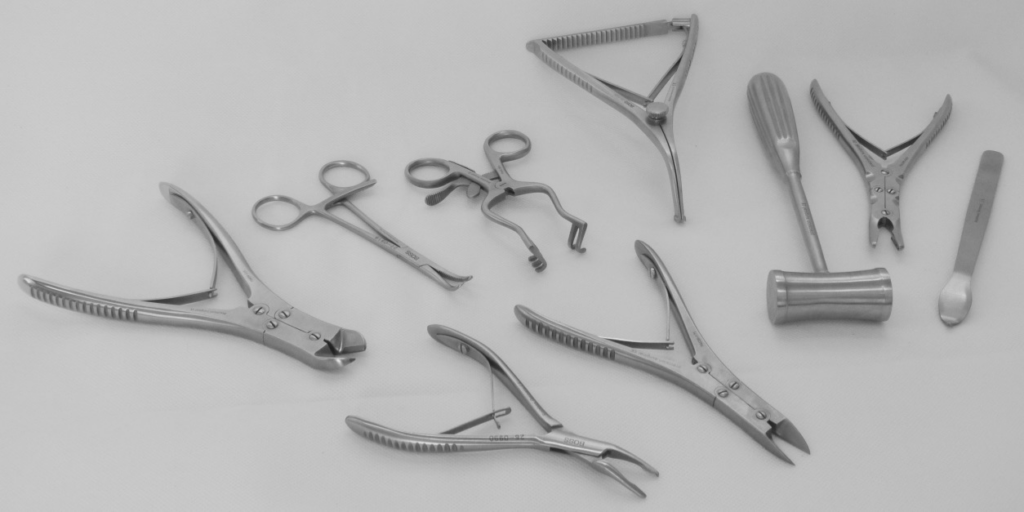
Orthopedic surgery demands exceptional precision, making specialized tools essential for successful procedures. From fracture repair to joint replacement, the instruments used in orthopedic surgery enable surgeons to perform with greater accuracy, control, and efficiency.
Designed for durability and reliability, these instruments support safe surgical outcomes while meeting the rigorous demands of modern operating rooms. Understanding their purpose helps healthcare providers and procurement teams choose the right instruments for quality patient care.
This guide explores the major categories of orthopedic surgery instruments, their functions, and the qualities that make them indispensable in operating rooms worldwide.
Categories of Orthopedic Surgery Instruments
Orthopedic instruments are generally classified based on their specific surgical function. Understanding these categories simplifies instrument selection for different orthopedic procedures.
Bone Cutting Instruments
Bone-cutting instruments are essential during fracture management, joint replacement, and reconstructive procedures.
Common examples include:
- Bone saws
- Osteotomes
- Bone chisels
- Bone gouges
- Rongeurs
These instruments allow surgeons to cut, shape, or remove bone with maximum precision while minimizing trauma to surrounding tissues.
Bone Holding Instruments
Proper stabilization is critical while repairing fractures or positioning implants.
Frequently used bone-holding instruments include:
- Bone holding forceps
- Reduction forceps
- Bone clamps
- Plate holding forceps
These tools help surgeons maintain accurate alignment throughout the procedure, reducing the chances of displacement during fixation.
Drilling and Reaming Instruments
Orthopedic surgeries often require drilling into bone for screws, plates, rods, or prosthetic implants.
This category includes:
- Orthopedic drills
- Drill guides
- Reamers
- Awls
- T-handles
These instruments create precisely sized pathways while preserving bone integrity.
Measuring Instruments
Accurate measurements are essential for selecting implants and ensuring proper alignment.
Common measuring instruments include:
- Depth gauges
- Calipers
- Bone measuring devices
- Alignment guides
Proper measurements reduce implant mismatch and improve long-term surgical success.
Retractors
Retractors improve surgical visibility by gently holding muscles and soft tissues away from the operative site.
Popular orthopedic retractors include:
- Hohmann retractors
- Bennett retractors
- Cobra retractors
- Gelpi retractors
Good exposure enables surgeons to work more efficiently while minimizing unnecessary tissue handling.
Bone Elevators
Bone elevators are designed to separate soft tissue from bone surfaces during surgical exposure.
These instruments help surgeons:
- Lift periosteum
- Access fracture sites
- Prepare bone surfaces
- Preserve surrounding structures
Their ergonomic design allows controlled manipulation without damaging delicate tissues.
Bone Curettes
Curettes remove abnormal tissue, infected material, cartilage remnants, or bone debris.
They are commonly used in:
- Bone cyst procedures
- Tumor surgeries
- Joint preparation
- Debridement procedures
Different spoon sizes and angles allow surgeons to work in confined anatomical spaces.
Orthopedic Forceps
Forceps are among the most versatile orthopedic instruments.
Various types include:
- Tissue forceps
- Reduction forceps
- Extraction forceps
- Locking forceps
They provide firm gripping during complex surgical maneuvers while maintaining control over tissues and implants.
Implant Insertion Instruments
Modern orthopedic procedures frequently involve implants such as plates, screws, nails, and prosthetic joints.
Insertion instruments include:
- Screwdrivers
- Plate benders
- Nail insertion devices
- Impactors
- Mallets
Each tool is designed to ensure secure implant placement while protecting surrounding bone structures.
Instruments Used During Joint Replacement Surgery
Joint replacement procedures require highly specialized instrument systems.
These often include:
- Femoral rasps
- Acetabular reamers
- Trial implants
- Alignment jigs
- Cutting blocks
- Impactors
Every component contributes to achieving proper implant positioning, joint balance, and long-term stability.
Trauma Surgery Instruments
Trauma surgeries demand instruments capable of handling emergency fracture repair efficiently.
Typical trauma sets include:
- Bone drills
- External fixation instruments
- Wire cutters
- K-wire instruments
- Bone reduction clamps
- Screw insertion systems
These instruments help restore skeletal stability following accidents or severe injuries.
Characteristics of High-Quality Orthopedic Instruments
Not every surgical instrument delivers the same level of performance. High-quality orthopedic instruments share several important characteristics.
Medical-Grade Materials
Premium instruments are manufactured using high-quality surgical stainless steel that offers:
- Excellent corrosion resistance
- Long service life
- High tensile strength
- Reliable sterilization compatibility
Medical-grade materials also maintain sharpness and structural integrity after repeated use.
Precision Engineering
Orthopedic procedures leave little room for error.
Precision manufacturing ensures:
- Accurate dimensions
- Smooth instrument movement
- Reliable locking mechanisms
- Consistent cutting performance
Well-engineered instruments reduce surgeon fatigue while improving procedural efficiency.
Ergonomic Design
Comfortable instrument handling contributes significantly to surgical precision.
Ergonomic features include:
- Balanced weight
- Comfortable grips
- Smooth articulation
- Reduced hand fatigue
These design elements become especially valuable during lengthy orthopedic procedures.
The Importance of Proper Instrument Maintenance
Even the highest-quality orthopedic instruments require proper care.
Healthcare facilities should:
- Clean instruments immediately after use
- Inspect cutting edges regularly
- Lubricate moving joints when recommended
- Replace worn components promptly
- Follow validated sterilization protocols
Proper maintenance extends instrument lifespan while ensuring consistent surgical performance.
Choosing the Right Manufacturer
Selecting an experienced orthopedic instrument manufacturer is as important as selecting the instruments themselves.
Reliable manufacturers typically offer:
- Strict quality control
- International manufacturing standards
- Consistent product performance
- Wide product availability
- Timely global supply
- Responsive technical support
Long-term partnerships with trusted manufacturers help hospitals and distributors maintain dependable surgical inventory.
How Innovation Is Improving Orthopedic Instruments
Orthopedic instrumentation continues to evolve alongside surgical advancements.
Recent improvements include:
- Better ergonomic designs
- Enhanced surface finishing
- Lightweight construction
- Improved corrosion resistance
- Greater compatibility with minimally invasive procedures
These innovations support greater surgical accuracy while improving workflow inside modern operating rooms.
As orthopedic procedures become increasingly sophisticated, the demand for dependable instruments used in orthopedic surgery continues to grow. Manufacturers that invest in precision engineering and rigorous quality standards play a significant role in supporting surgeons worldwide.
Building a Reliable Orthopedic Instrument Collection
Hospitals and surgical centers should maintain comprehensive instrument inventories that support various orthopedic specialties.
A well-planned orthopedic instruments list generally includes instruments for:
- Trauma surgery.
- Joint replacement.
- Spine procedures.
- Sports medicine.
- Hand surgery.
- Foot and ankle surgery.
- Pediatric orthopedics.
Conclusion
Orthopedic surgery depends on precision instruments that support accurate, safe, and efficient procedures. From bone-cutting tools to implant systems, each instrument plays a vital role in successful outcomes. Understanding a comprehensive orthopedic instruments list helps healthcare providers and procurement teams choose reliable, high-quality equipment that enhances surgical performance and ensures long-term clinical reliability.
Salwan Surgicare is a trusted manufacturer and exporter of high-quality surgical instruments, serving healthcare providers and distributors worldwide. They are committed to precision engineering, stringent quality standards, and reliable performance. Their comprehensive range of orthopedic instruments is designed to support modern surgical procedures with durability, accuracy, and compliance with internationally recognized manufacturing standards.