
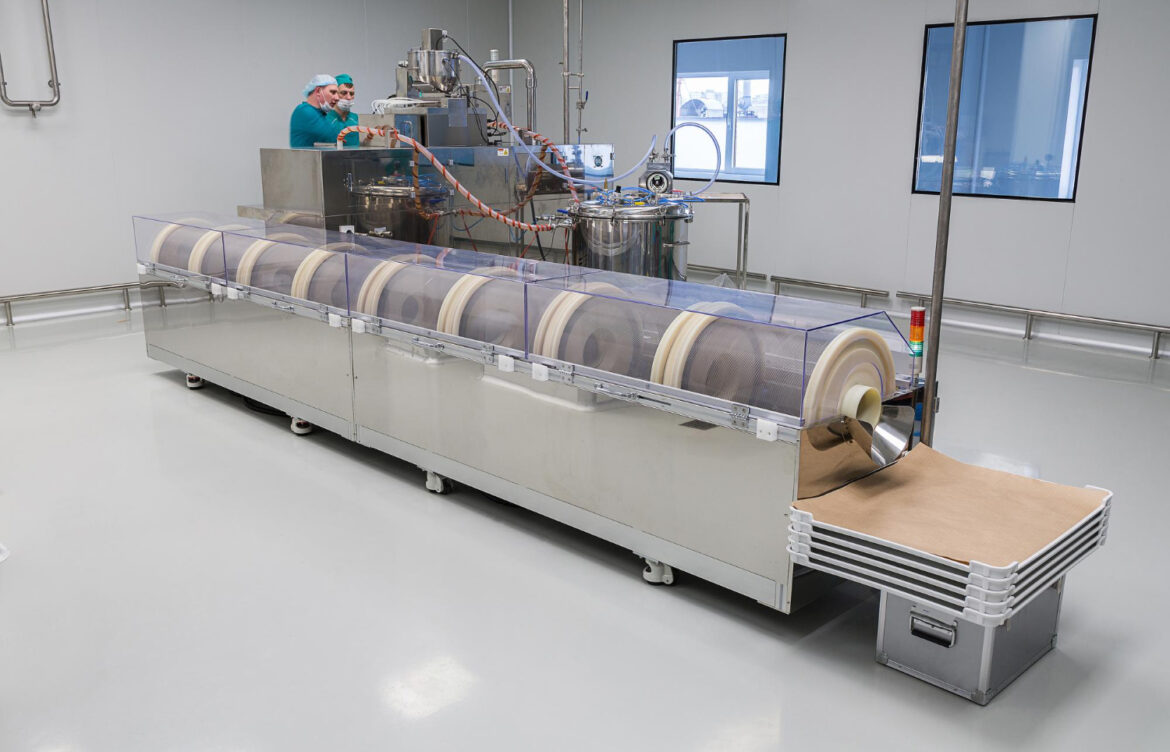
How Stainless Steel Food Conveyors Streamline Grade A Food Production
In today’s highly competitive food industry, efficiency, hygiene, and reliability are not optional—they are essential. Maintaining Grade A food production standards requires machinery that can handle large volumes without compromising on safety or quality. One of the most effective solutions for modern food manufacturers is the use of stainless steel food conveyors. These systems not only enhance production efficiency but also ensure compliance with strict hygiene regulations, making them a staple in industries ranging from bakery and dairy to meat processing and ready-to-eat meals.
This article will explore the benefits of stainless steel conveyors, the role of stainless steel manufacturers UK, and how stainless steel fabrication machinery contributes to creating durable, customisable solutions. You will also gain practical insights into future trends and real-world applications that demonstrate why these conveyors are indispensable for food production.
The Role of Stainless Steel Food Conveyors in Modern Food Production
Stainless steel food conveyors are designed to streamline the movement of materials across production lines efficiently and safely. Unlike conveyors made from plastic or aluminium, stainless steel is highly resistant to corrosion, can withstand high temperatures, and is non-porous, making it ideal for food handling.
For example, in bakery operations, these conveyors transport delicate dough or pastries without causing damage or contamination. In meat processing facilities, they handle heavy loads while minimising bacterial growth. This versatility allows manufacturers to maintain consistent quality across products, reducing waste and improving overall productivity.
Furthermore, conveyors reduce manual handling, which not only cuts down labour costs but also limits the risk of injuries in the workplace. By integrating stainless steel food conveyors, companies can ensure smooth operations while adhering to strict hygiene protocols, a key factor in achieving Grade A standards.
Key Benefits of Stainless Steel Food Conveyors
Adopting stainless steel food conveyors offers several tangible benefits for food manufacturers:
- Enhanced Hygiene: Stainless steel is easy to clean, non-porous, and resistant to bacterial growth. Regular cleaning ensures that the production environment meets strict health and safety standards.
- Durability and Longevity: Stainless steel is highly resistant to rust, corrosion, and mechanical wear. This durability ensures that conveyors provide consistent performance over many years.
- Operational Efficiency: Automated movement of products reduces manual labour, speeds up production, and lowers the risk of human error.
- Customisable Designs: Conveyors can be designed with various belt widths, inclines, and modular components to suit the unique requirements of different production lines.
- Product Protection: Smooth, stainless steel surfaces reduce the risk of product damage during transport, which is especially important for delicate or high-value items.
Consider a dairy factory where milk bottles are filled, capped, and packaged. Conveyors ensure that bottles move smoothly without tipping over, breakage is minimised, and production targets are consistently met. These small improvements in efficiency and hygiene can translate into significant cost savings over time.
Choosing the Right Stainless Steel Manufacturers UK
Not all stainless steel suppliers provide the same quality, and using low-grade materials can compromise both hygiene and durability. Selecting trusted stainless steel manufacturers UK ensures that the conveyors meet regulatory standards and perform optimally in high-volume food production.
When evaluating manufacturers, look for the following:
- Compliance with food safety and ISO standards
- Experience in producing food-grade stainless steel products
- Ability to provide customised solutions for specific production needs
- Transparent supply chain and material sourcing
Partnering with reputable manufacturers guarantees that your conveyors are made from premium-grade stainless steel, which not only lasts longer but also supports strict hygiene standards. This decision directly affects operational efficiency and helps prevent costly downtime caused by equipment failure or contamination issues.
Leveraging Stainless Steel Fabrication Machinery for Custom Solutions
Modern food production often requires conveyor systems that fit complex layouts. This is where stainless steel fabrication machinery becomes essential. Advanced fabrication techniques such as laser cutting, CNC bending, and precision welding allow manufacturers to create bespoke conveyor systems tailored to a facility’s exact requirements.
For instance, a chocolate factory may need inclined belt conveyors to move delicate products without damaging them, while a meat processing unit may require modular conveyors that can be disassembled for thorough cleaning. Stainless steel fabrication machinery makes these custom solutions possible, ensuring that each system is both durable and efficient.
Moreover, precision fabrication reduces the likelihood of mechanical issues, minimises maintenance costs, and ensures seamless integration with other machinery on the production line. Investing in high-quality fabrication not only enhances performance but also extends the lifespan of the conveyor system.
Enhancing Food Production with Automation and Smart Features
The next generation of stainless steel food conveyors is equipped with automation and smart technologies that further streamline production. Sensors, IoT integration, and real-time monitoring systems allow food manufacturers to track production flow, detect jams, and optimise efficiency.
For example, in a ready-to-eat meals factory, smart conveyors can adjust speed based on the number of products detected on the belt, preventing bottlenecks and ensuring consistent output. Automated systems also reduce manual intervention, which lowers labour costs and decreases the risk of contamination.
In addition, stainless steel conveyors are increasingly designed with sustainability in mind. Many are fully recyclable, supporting environmentally friendly practices, while advanced hygiene features such as anti-microbial coatings and modular easy-clean designs enhance compliance with health regulations.
Future Trends in Stainless Steel Food Conveyors
The food industry continues to evolve, and so do conveyor technologies. Emerging trends include:
- Integration with AI and IoT: Predictive maintenance and automated adjustments improve uptime and reduce waste.
- Sustainability Initiatives: Stainless steel’s recyclability and long lifespan make it an eco-friendly choice.
- Hygiene Innovations: Anti-microbial coatings, modular belts, and open-frame designs make cleaning faster and more effective.
- Flexible Production Lines: Customisable conveyors allow manufacturers to quickly adapt to new products or packaging designs.
These trends indicate that investing in stainless steel conveyors today not only improves current operations but also future-proofs production lines against evolving industry demands.
Conclusion
Stainless steel food conveyors have become indispensable in achieving Grade A food production standards. They offer unmatched durability, hygiene, and efficiency, making them a smart investment for food manufacturers of all sizes. Coupled with reliable stainless steel manufacturers UK and advanced stainless steel fabrication machinery, these conveyors can be customised to meet unique production needs while embracing modern automation and sustainability trends.
FAQs
Q1: What makes stainless steel food conveyors ideal for Grade A food production?
They are corrosion-resistant, easy to clean, and maintain hygiene standards, making them perfect for high-quality food handling.
Q2: How do stainless steel manufacturers UK ensure the quality of conveyors?
Top manufacturers use food-grade stainless steel, follow strict regulations, and offer custom fabrication to meet production needs.
Q3: Can stainless steel fabrication machinery produce custom conveyor designs?
Yes, advanced machinery like CNC cutters, laser welders, and bending machines enable precise, durable, and bespoke conveyor systems.
Q4: Are stainless steel food conveyors suitable for small-scale producers?
Absolutely. Despite initial investment, their durability and efficiency save time and costs, making them viable for small operations.
Q5: How do modern stainless steel conveyors support automation?
They integrate with IoT and smart sensors to monitor flow, prevent jams, and optimise production, reducing manual labour and increasing efficiency.